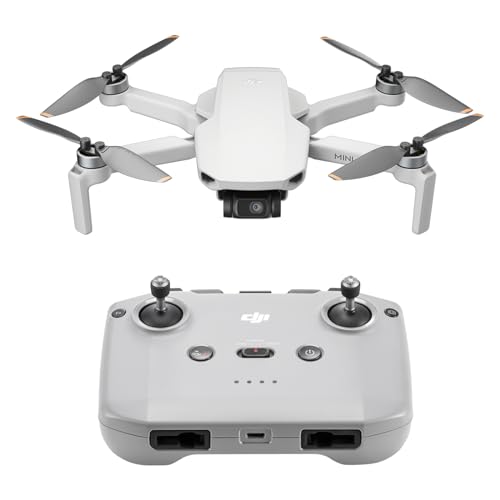
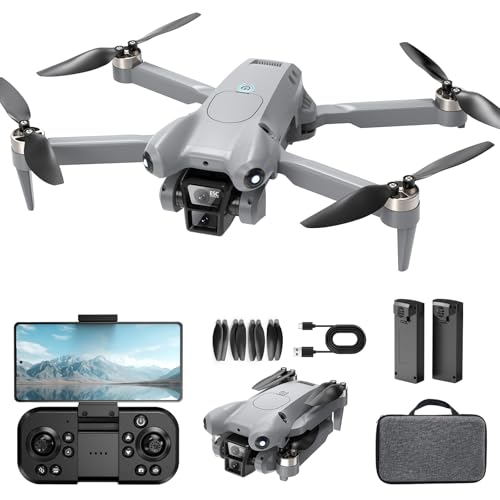
Drones have become popular tools for photography, videography, and recreation. They offer a unique way to capture aerial views and explore the world from above. Whether you want to take pictures, record videos, or just fly for fun, a drone can open up new creative possibilities.
Picking the right drone depends on your skill level and what you plan to use it for. Beginners need drones that are easy to control and durable enough to handle crashes during the learning process. More advanced users might want features like longer flight times, better cameras, and more precise controls. Price is also a major factor, as drones range from affordable models under $100 to professional options that cost thousands of dollars.
When shopping for a drone, pay attention to flight time, camera quality, range, and stability features. Flight time tells you how long the drone can stay in the air on one battery charge, which usually ranges from 10 to 30 minutes. Camera quality matters if you want clear photos and smooth video footage. Range determines how far the drone can fly from the controller. Stability features like GPS and obstacle avoidance help prevent crashes and make flying easier. We spent weeks testing and comparing dozens of drones to find the best options for everyone from complete beginners to experienced pilots.
Best Drones for Beginners to Pro
We tested dozens of drones to find the best options for every skill level. Our top picks include models that are easy to fly, packed with useful features, and built to last whether you’re just starting out or already have experience.
Holy Stone HS360S GPS Drone

This drone delivers solid 4K footage and impressive range without requiring FAA registration, making it a practical choice for pilots at any skill level.
Pros
- Weighs under 250 grams so you can skip FAA registration and start flying right away
- The 10,000-foot control range gives you plenty of room to explore without losing connection
- GPS features like auto return home prevent you from losing your drone when the battery gets low
Cons
- Battery life tops out around 15-18 minutes in real conditions, which feels short during exciting flights
- The 4K camera quality works well but doesn’t match more expensive professional drones
- Learning all the intelligent flight modes takes some practice even with beginner mode active
We found the setup process straightforward when we first unboxed this drone. The controller connects to your phone using a single cable instead of relying on WiFi, which simplified our first launch. The foldable design fit easily into a backpack during our recent hiking trip.
Flying this drone felt stable thanks to the GPS positioning system. We tested the follow me mode on a trail, and it tracked our movement smoothly without drifting off course. The return home feature activated automatically when we flew too far, which gave us confidence during longer flights.
The camera captures clear footage in good lighting conditions. We adjusted the angle using the remote control while in the air, which helped us frame shots without landing. The automated flight patterns like spiral up and catapult made our videos look more dynamic without requiring advanced piloting skills.
Battery performance matched what we expected after reading other user experiences. We got about 17 minutes of flight time on a calm day. Windier conditions drained the battery faster, so we recommend buying extra batteries if you plan longer shooting sessions.
The beginner mode helped us practice basic controls without worrying about crashing. Optical flow positioning kept the drone steady when flying indoors or close to the ground. After a few flights, we switched to normal mode and appreciated the increased responsiveness.
Ruko F11PRO 2

This drone delivers excellent value with its long flight time and stable footage, making it a solid choice for anyone ready to step beyond basic models.
Pros
- Two batteries provide 70 minutes total flying time per outing
- The 3-axis gimbal keeps footage smooth even in windy conditions
- GPS flight modes help beginners create professional-looking videos
Cons
- Remote control durability may decline after extended use
- GPS signal requires open outdoor space to function properly
- Limited repair options in some regions
We took this drone out for several flights and immediately noticed how stable it felt in the air. The gimbal does a great job keeping videos smooth, even when the wind picked up during our afternoon sessions. Flying for 35 minutes on a single battery gave us plenty of time to explore without rushing back.
The intelligent flight modes made a real difference in our footage quality. We used the orbit mode around a local landmark and the follow-me feature during a hike. Both worked smoothly once we got a solid GPS lock in an open field.
Night mode added some fun options for evening flights. The footage came out clearer than we expected in low light, though it still works best right at dusk rather than full darkness.
Setting everything up took about 15 minutes on our first try. We had to move outside to get the GPS working, which the instructions could have emphasized more clearly. Once we understood that requirement, launches became quick and simple.
The carrying case keeps everything organized between trips. We appreciated having two batteries and extra propellers included. Just remember to remove the gimbal cover before powering on, or you might run into calibration issues.
DJI Mini 4 Pro

This drone delivers excellent value for both newcomers and experienced pilots who want professional features in a compact package that stays under the FAA registration weight limit.
Pros
- Obstacle sensors work in all directions to prevent crashes during flight
- Weighs less than 249 grams so no FAA registration needed for hobby use
- Battery lasts 34 minutes which gives plenty of time to capture footage
Cons
- Need to use the heavier battery pack if flying commercially which requires registration
- Price point sits higher than basic entry-level drones
- Must download and activate through the DJI Fly app before first use
We flew this drone through tight spaces and the obstacle avoidance worked really well. The sensors picked up trees and buildings from every angle, which gave us confidence to fly closer to objects than we normally would. Even when we got distracted looking at the controller screen, the drone stopped itself before hitting anything.
The camera quality impressed us right away. We shot vertical videos in 4K at 60 frames per second, and the footage looked sharp enough to post directly to social media without editing. The HDR feature helped during sunset flights when the sky was bright but the ground was getting dark.
Flying this drone felt smooth and responsive. The RC 2 controller has a built-in screen that stayed bright even in direct sunlight, so we didn’t need to use our phone. The video feed stayed clear even when we flew the drone far away, and we never experienced lag or choppy footage.
Battery life exceeded our expectations during real-world testing. We got about 30 minutes of actual flight time per battery, which was enough to scout locations and capture several different shots. The drone warned us when power got low and automatically returned to the launch point.
The compact size makes this drone easy to carry in a backpack. We took it on hikes and trips without worrying about the extra weight. Setup took just a few minutes, and the propellers fold down to make the drone even smaller when packed away.
DJI Air 3S Fly More Combo

This drone delivers professional-quality footage and smart safety features that work well for both beginners learning to fly and experienced pilots who need reliable performance.
Pros
- The dual camera system captures stunning 4K footage even in low light conditions like sunsets and nighttime scenes
- Three batteries and 45-minute flight times mean you can shoot for extended periods without constantly landing to recharge
- Advanced obstacle sensors with LiDAR technology help avoid crashes during night flights
Cons
- You need to buy the battery charger separately, which adds to the overall cost
- The combo package costs significantly more than the basic version
- Unbinding the device from your account before returns requires several steps
We flew this drone during golden hour and were impressed by how much detail the camera captured in challenging lighting. The colors looked natural without the washed-out look we’ve seen from other drones. The 1-inch sensor makes a real difference when filming at dusk.
The RC 2 controller that comes with this combo has a built-in screen that’s bright enough to see in direct sunlight. We didn’t need to fumble with our phone or worry about compatibility issues. The controls felt responsive, and the drone handled wind better than we expected for its size.
Flying at night became much less stressful thanks to the obstacle avoidance system. The drone detected tree branches and buildings we could barely see in the dark. When we tested the return-to-home feature in an area with weak GPS signal, it still found its way back without issues.
The Fly More Combo bundle includes ND filters that help control exposure on bright days. We used them while filming over water and got smooth, cinematic footage instead of jittery or overexposed shots. Having three batteries meant we could shoot an entire morning without heading back to charge.
DJI Mavic 4 Pro Fly More Combo

The Mavic 4 Pro is a great choice for serious photographers and filmmakers who need professional image quality, though beginners might find the price and features more than they need.
Pros
- The 100MP Hasselblad camera captures incredibly sharp photos and smooth 6K video that looks professional
- Three batteries and a charging hub mean we can fly for hours without heading home
- Night obstacle sensing works well in low light conditions, making evening flights much safer
Cons
- The high price point puts it out of reach for casual users who just want to try drone photography
- Learning to use all three cameras and advanced features takes time and practice
- The drone is heavier than simpler models, making it less portable for quick trips
We tested this drone over several weeks and the image quality blew us away. The main camera produces photos with so much detail that we could zoom in and still see sharp edges. The 6K video came out smooth even when we flew in windy conditions.
Flying at dusk was impressive because the obstacle sensors actually worked when other drones would struggle. We flew between trees as the sun set and the drone warned us about branches we could barely see ourselves. The 51-minute flight time claim held up in real-world testing when we flew in normal conditions without pushing the drone too hard.
The Fly More Combo bundle makes sense if you plan to shoot all day. We used all three batteries during a full afternoon of filming and appreciated not having to stop. The charging hub powered up all the batteries together overnight.
The dual telephoto cameras give us more creative options than a single-camera drone. We could zoom in on distant subjects without losing quality. The 360-degree gimbal let us capture angles that would be impossible with a regular drone camera that only tilts up and down.
Setup took about an hour between charging batteries and downloading the app. The RC 2 controller connected easily and the screen was bright enough to see in direct sunlight. We did need to register the drone before the first flight, which added an extra step but only took a few minutes online.
Buying Guide
When we shop for a drone, we need to think about our skill level first. Beginners should look for drones with simpler controls and safety features. Advanced users can handle more complex models with manual settings.
Flight Time and Battery Life
Flight time matters because it affects how long we can fly before recharging. Most drones fly between 15 to 30 minutes per battery. We should check if extra batteries are available and how much they cost.
Camera Quality
The camera is important if we plan to take photos or videos. We need to look at these features:
| Feature | What to Consider |
|---|---|
| Resolution | 1080p for basic use, 4K for better quality |
| Gimbal | Keeps footage steady and smooth |
| Field of View | Wider angles capture more of the scene |
Range and Control
Range tells us how far the drone can fly from the controller. Beginners might only need 100-300 feet. More experienced pilots may want 1-2 miles or more.
Safety Features
We should look for drones that include obstacle avoidance, return-to-home functions, and GPS. These features help prevent crashes and make flying easier. Auto-hover and altitude hold are useful for beginners who are still learning.
Portability
Size and weight affect how easy it is to transport our drone. Foldable models fit in backpacks better. We need to check local regulations since some areas require registration for heavier drones.
Frequently Asked Questions
Choosing the right drone involves understanding key features like stability systems and camera specs, while safety and battery performance remain critical factors across all skill levels.
What features should I look for when choosing a drone as a beginner?
We recommend looking for GPS stabilization as your top priority. This feature helps the drone hover in place and return home automatically if you lose control.
Obstacle avoidance sensors are another important feature. They help prevent crashes while you’re learning to fly.
Look for a drone with at least 20 minutes of flight time. You’ll also want one with a simple controller that doesn’t overwhelm you with too many buttons.
How do beginner drones differ from professional ones in terms of specifications?
Professional drones typically have 4K or higher resolution cameras. Beginner models often come with 1080p or 2K cameras.
Flight time separates these categories significantly. Pro drones can fly for 30 to 45 minutes, while beginner models usually last 15 to 25 minutes.
Professional drones also have longer transmission ranges, often reaching 6 to 9 miles. Beginner drones typically max out at 1 to 3 miles.
Can you recommend some reliable drone models for beginners transitioning to a more professional level of flying?
We suggest the DJI Mini series for this transition. These drones offer professional-grade cameras in a compact, beginner-friendly design.
The Autel EVO Lite is another solid choice. It provides 6K video capabilities while maintaining easy-to-use flight controls.
The Holy Stone HS720E works well as a stepping stone. It gives you manual control options to practice while keeping safety features active.
What are the safety considerations I should be aware of before operating my first drone?
We always check local drone laws before flying. Many areas restrict flight near airports, government buildings, and crowds.
Keep your drone within visual line of sight at all times. This prevents accidents and keeps you in compliance with most regulations.
Check weather conditions before each flight. Wind speeds above 20 mph can make controlling your drone difficult or dangerous.
What is the typical battery life and flight time for drones suitable for beginners to pros?
Beginner drones typically offer 15 to 20 minutes of flight time per battery. This gives you enough time to practice basic maneuvers without breaking the bank on extra batteries.
Mid-range drones designed for advancing users provide 20 to 30 minutes per charge. These models balance cost with extended practice sessions.
Professional drones deliver 30 to 45 minutes of flight time. We recommend buying at least two extra batteries regardless of which level drone you choose.
How important is camera quality in drones for users advancing from beginner to pro levels?
Camera quality becomes more important as your skills improve. Starting with 1080p helps you learn composition and framing without worrying about massive file sizes.
Moving to 2K or 4K resolution matters when you want to share or sell your footage. These higher resolutions also let you crop and stabilize footage in editing without losing quality.
Professional work requires 4K at 60fps or higher. We find that gimbal stabilization matters just as much as resolution for smooth, usable footage.