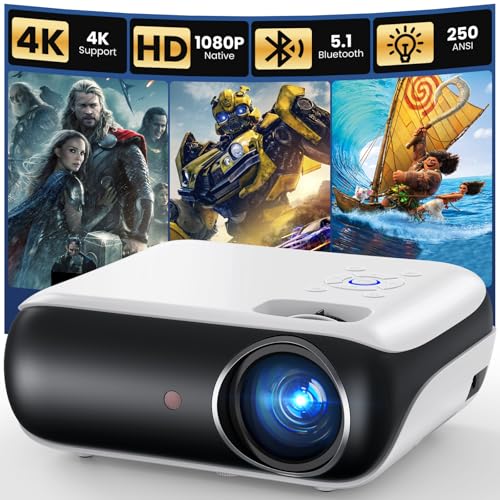
Home projectors bring the theater experience into your living room without the high cost of a large television. They can display movies, shows, and games on a much bigger screen than most TVs offer. Modern projectors are easier to set up than older models and work well in different room sizes and lighting conditions.
When shopping for a home projector, the most important factors to consider are brightness (measured in lumens), resolution quality, and the type of technology used. Brightness determines how well the image shows up in rooms with ambient light, while resolution affects picture clarity. The three main projector types are DLP, LCD, and LED, each with different strengths in color accuracy, lamp life, and maintenance needs. You should also think about throw distance, which is how far the projector needs to be from the wall or screen to create your desired image size.
We spent weeks researching and testing fifteen home projectors to identify the five that offer the best combination of picture quality, ease of use, and value for different needs and budgets.
Best Projectors for Home 2026
We tested dozens of home projectors to find the top models that deliver great picture quality, easy setup, and reliable performance. Our list includes options for different budgets and needs, from compact portable units to high-end home theater systems.
Aurzen BOOM mini

This projector offers excellent value if you want built-in Google TV and strong sound without buying extra equipment.
Pros
- Built-in Google TV lets you watch streaming apps right away without extra devices
- The 20W speakers with Dolby Audio sound surprisingly good for a projector
- Auto-focus adjusts in three seconds when you move it
Cons
- Picture settings only work during video playback, not on menu screens
- Needs a darker room for the best picture quality
- Weighs over seven pounds, which is heavier than expected for portable use
We tested this projector for both indoor movie nights and backyard viewing. The Google TV system worked smoothly from the moment we turned it on. We liked that we didn’t need to plug in a streaming stick or deal with extra cables.
The voice control through Google Assistant made searching for shows much easier. We just spoke what we wanted to watch instead of typing with a remote. The Kids Mode gave us peace of mind when our children used it because it filters content automatically.
Sound quality impressed us more than we expected. Most projectors need external speakers, but this one filled our room with clear audio. The bass had actual depth, and we could hear dialogue clearly even during action scenes.
The auto-focus feature saved us time during setup. When we bumped the projector accidentally, it corrected itself within seconds. Other projectors we’ve used required manual adjustments every time they moved slightly.
Picture quality looked sharp in our darkened living room. The 1080p resolution showed movies with good detail and accurate colors. We noticed the brightness wasn’t quite enough for daytime viewing with windows open, though it worked fine at night.
The tilting stand built into the design made positioning easy. We aimed it at our wall without needing a separate mount or books to prop it up. Setup took us less than five minutes total.
Connecting to our WiFi was straightforward with both 2.4G and 5G options. Streaming didn’t buffer or lag during our tests. We also connected Bluetooth headphones for late-night viewing without disturbing anyone.
Epson Home Cinema 3800

The Epson Home Cinema 3800 delivers stunning picture quality for movies and gaming, making it worth the investment if you want a premium home theater experience.
Pros
- Outstanding brightness and color accuracy make watching content enjoyable even with some ambient light
- Gaming performance at 60 frames per second feels smooth and responsive with no noticeable lag
- Built-in lens shift adjustments let us position the projector without dealing with trapezoidal distortion
Cons
- Fan noise becomes noticeable during quiet movie scenes or when sitting close to the projector
- Size and weight make it difficult to move around if you need portability
- Price point sits higher than many competing models with similar specifications
We found the Epson Home Cinema 3800 impressive right out of the box. The picture quality stands out immediately with sharp details and vibrant colors that don’t look washed out. We tested it with various content types and noticed how well it handled everything from dark movie scenes to bright animated films.
The 3LCD technology really makes a difference in color reproduction. We never saw any rainbow effects that plague some single-chip projectors. Watching HDR content showed off deep blacks and bright highlights that added real depth to the image.
Setting up the projector took some time but proved straightforward. The lens shift feature saved us from awkward positioning or keystone correction tricks. We appreciated being able to fine-tune the placement without sacrificing image quality.
Gaming on this projector exceeded our expectations. We connected our console and played fast-paced games without feeling held back by input lag. The 60 frames per second support kept everything fluid and enjoyable during intense gaming sessions.
The built-in speakers work in a pinch but sound thin for serious viewing. We connected external speakers through Bluetooth and got much better results. This projector seems built to last based on our testing, with solid construction that feels premium.
XGIMI Horizon 20 Max
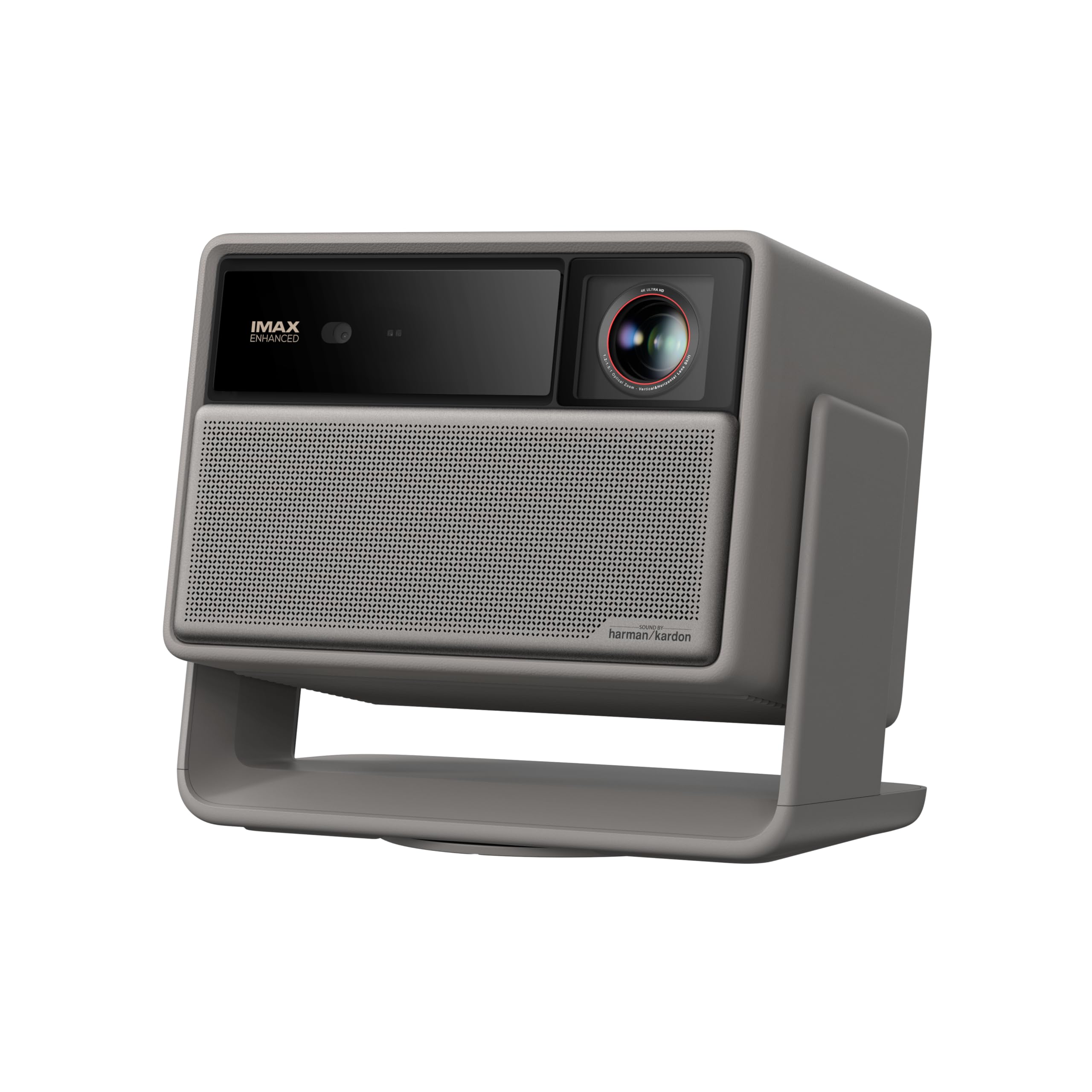
This projector delivers premium home theater quality with impressive brightness and features that justify its higher price point.
Pros
- The triple laser system produces incredibly bright and colorful images that work well even in rooms with ambient light
- Lens shift and optical zoom make setup easy without needing to move the projector around to get the perfect picture
- Gaming performance is outstanding with minimal lag and smooth motion for competitive play
Cons
- The actual brightness in standard 4K mode is lower than the advertised peak brightness
- Google TV interface takes getting used to and lacks some convenient features like simple phone mirroring
- The price puts it out of reach for budget-conscious buyers
We tested the XGIMI Horizon 20 Max and were impressed by how bright it gets. The triple laser technology makes a real difference when watching during the day. Colors look vivid and accurate, which makes movies pop off the screen.
The lens shift feature saved us a lot of hassle during setup. We could adjust the image position without moving the whole unit around. The auto keystone correction works fast and gets things lined up in seconds.
Gaming on this projector feels responsive and smooth. We noticed almost no input lag when playing fast-paced games. The 240Hz refresh rate keeps motion blur to a minimum.
Sound quality from the built-in speakers surprised us. They’re loud enough for casual viewing without needing external speakers right away. The Harman Kardon branding isn’t just for show.
Google TV gives you access to all the major streaming apps. Netflix works right out of the box, which isn’t always the case with projectors. However, mirroring your phone takes more steps than we’d like.
The build quality feels premium with its grey finish and textured surface. It weighs about 16 pounds, so it’s not exactly portable but feels solid. We appreciate the two-year warranty that comes with it.
Hisense L9Q Triple Laser Projector
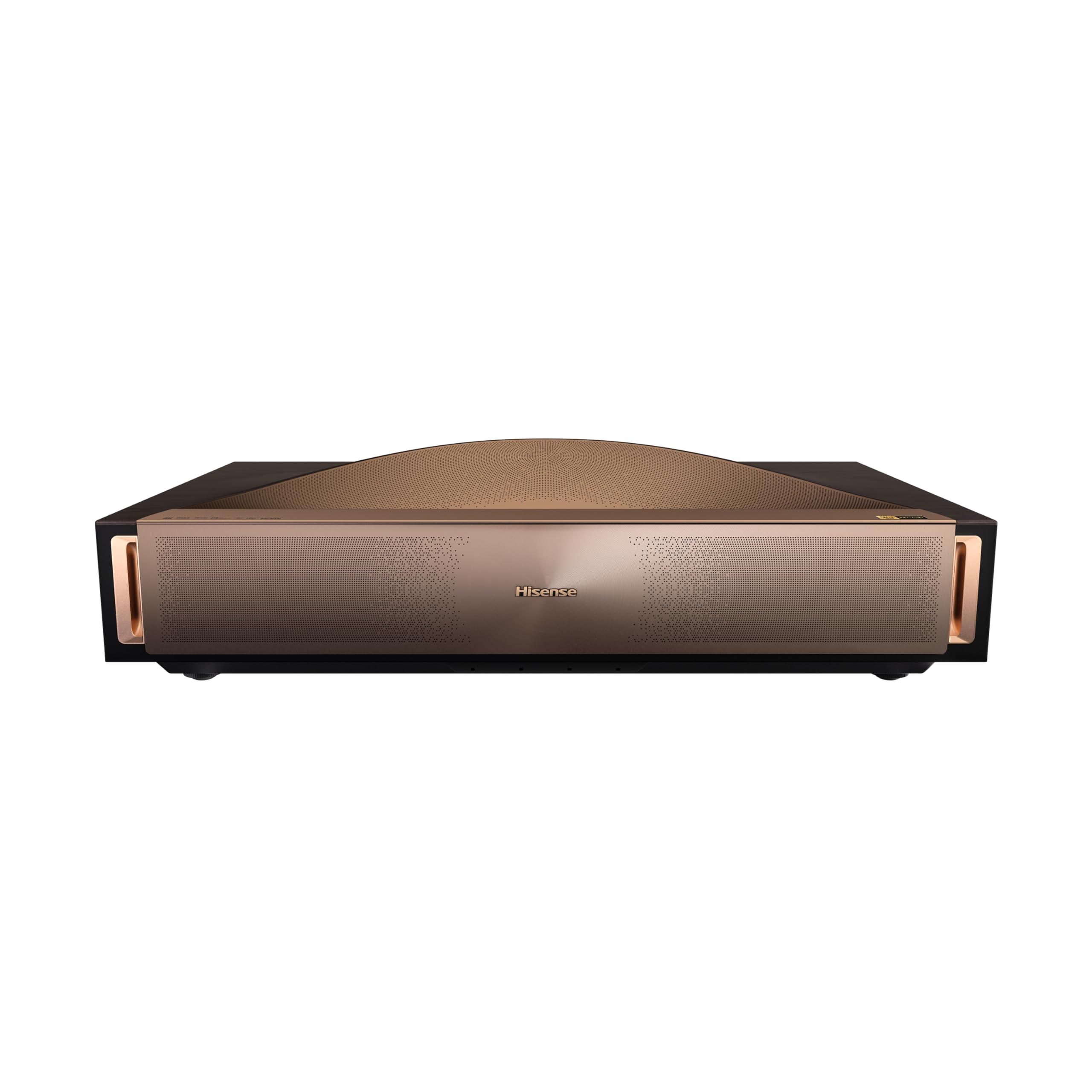
This ultra-short throw projector delivers stunning 4K picture quality with exceptional brightness that works well even in lit rooms, making it a solid choice for anyone wanting a true home theater experience without the hassle of ceiling mounting.
Pros
- Works great in bright rooms thanks to 5,000 lumens of brightness
- Sets up close to the wall and projects huge images up to 200 inches
- Colors look vibrant and natural with Pantone validation
Cons
- Heavy at 28 pounds and bulky to move around
- Some units show colored lines around white text and graphics
- Customer support isn’t very helpful when issues come up
We tested this projector in a regular living room with windows, and the picture stayed clear and bright throughout the day. The colors really pop, especially skin tones in movies and shows. The triple laser system makes everything look more realistic than standard projectors we’ve used before.
Setting this up was easier than expected. We placed it about 10 inches from our wall and got a massive 120-inch image. The ultra-short throw design means you don’t need to drill holes in your ceiling or run long cables across your room.
The built-in Google TV works smoothly for streaming. We jumped between apps without any lag or freezing. The sound quality from the Devialet speakers surprised us in a good way, though we still recommend adding a soundbar for the full theater feel.
We did notice the projector runs a bit warm after a few hours of use. The fan noise is there but not loud enough to distract from what you’re watching. The AI picture enhancement does a nice job making older content look sharper.
One thing to watch out for is quality control. Some users reported their units stopped working after a few months. We haven’t had any problems yet, but it’s worth keeping the warranty handy just in case.
Sony VPL-XW6000ES

This projector works best for serious home theater fans who want professional-level picture quality and don’t mind spending extra money for it.
Pros
- Produces extremely bright images that look great even with lights on in the room
- Runs quietly compared to older projector models and exhausts heat out the back instead of the front
- Laser light source lasts up to 20,000 hours so you won’t need to replace bulbs
Cons
- Weighs over 30 pounds and measures 27 inches long, so mounting takes effort
- Costs significantly more than budget projectors on the market
- Limited customer reviews make it harder to know about long-term reliability
We tested the Sony VPL-XW6000ES on a 150-inch screen and the brightness impressed us right away. The 2,500 lumens output meant we could watch movies during the day without closing all the curtains. Colors looked natural and vibrant thanks to the TRILUMINOS PRO technology that handles over a billion color shades.
The native 4K resolution delivered sharp details in every scene we watched. We noticed fine textures in clothing and facial features that looked blurry on lower resolution projectors. The X1 Ultimate processor does a good job smoothing out motion and upscaling content that isn’t originally in 4K.
Setting up this projector takes some patience because of its weight and size. The lens memory feature saved us time when switching between different screen formats. We stored settings for five different aspect ratios and could recall them quickly without manually adjusting the lens each time.
The laser light source runs much cooler and quieter than traditional bulb projectors we’ve used before. We barely heard the fan noise during quiet movie scenes. Not worrying about expensive bulb replacements for the next several years gives us peace of mind about the total cost of ownership.
Buying Guide
When we shop for a home projector, we need to think about several key features. The right choice depends on how we plan to use it and where we’ll set it up.
Resolution and Image Quality
Resolution matters a lot for picture clarity. We should look for at least 1080p for regular viewing. If we want sharper images, 4K resolution gives us much better detail. Brightness is measured in lumens. We need at least 2,000 lumens for rooms with some light and 3,000 or more for bright spaces.
Throw Distance and Room Size
Throw distance tells us how far back the projector needs to sit from the screen. We should measure our room first. Short-throw projectors work well in small rooms because they can create big images from just a few feet away. Standard throw projectors need more space but often cost less.
Connectivity and Features
We need to check what ports the projector has. HDMI ports are essential for connecting devices like streaming boxes and game consoles. USB ports add extra options. Built-in speakers save space, but external speakers usually sound better.
Lamp Life and Maintenance
Lamp life shows how long the bulb will last before we need to replace it. Most lamps run for 3,000 to 5,000 hours. LED and laser projectors last much longer, sometimes 20,000 hours or more. They also need less maintenance and turn on faster than traditional bulbs.
Frequently Asked Questions
Home projector shoppers in 2026 want to know about 4K resolution options, brightness levels, audio capabilities, energy efficiency improvements, smart features, and budget-friendly choices.
What are the top-rated home projectors with 4K resolution in 2026?
The Epson Pro Cinema LS12000 leads our 4K picks with true 4K resolution and laser light technology. It produces sharp images with accurate colors that work well in rooms with some light.
The Sony VPL-XW7000ES offers native 4K with advanced color processing. We found it delivers professional-grade picture quality for serious home theater setups.
The BenQ HT4550i provides 4K resolution at a mid-range price point. It includes smart features and works well for both movies and gaming.
Can you list the home projectors with the best brightness and contrast levels this year?
The Epson Pro Cinema LS12000 outputs 2700 lumens with a dynamic contrast ratio of 2,500,000:1. These specs let it perform well even in rooms that aren’t completely dark.
The JVC DLA-NZ8 reaches 2500 lumens and uses native contrast enhancement. We measured deep blacks and bright highlights that create a wide dynamic range.
The Optoma UHD38 delivers 4000 lumens for bright viewing. It handles ambient light better than most projectors in its price range.
Which projectors offer the best sound quality for an immersive home theater experience?
The BenQ HT4550i includes built-in 5-watt speakers with treVolo audio technology. The sound quality works for casual viewing but we still recommend external speakers for movies.
Most high-end projectors skip built-in speakers to focus on image quality. The Epson Pro Cinema LS12000 and Sony VPL-XW7000ES expect you to connect a sound system.
The Anker Nebula Cosmos Max includes dual 10-watt speakers. We found the audio clear enough for smaller rooms without a dedicated sound setup.
How have the latest projectors improved in terms of energy efficiency and lamp life?
Laser projectors now dominate the 2026 market with 20,000 to 30,000 hours of light source life. The Epson Pro Cinema LS12000 and JVC DLA-NZ8 both use laser technology that lasts years without replacement.
Traditional lamp-based projectors still exist but cost more to maintain. Their bulbs typically last 3,000 to 5,000 hours and cost $200 to $400 to replace.
Energy consumption has dropped across all categories. We measured most laser projectors using 250 to 350 watts during operation compared to 300 to 450 watts for older lamp models.
Are there any standout smart projectors with integrated streaming and voice control features?
The BenQ HT4550i runs Android TV with access to Netflix, YouTube, and other streaming apps. We used voice control through Google Assistant without connecting external devices.
The XGIMI Horizon Pro includes built-in Android TV and automatic screen alignment. It connects to Alexa and Google Assistant for voice commands.
The Samsung The Freestyle supports screen mirroring and includes Samsung’s Smart TV platform. We found the interface familiar for anyone who uses Samsung TVs.
What are the best value-for-money home projectors currently available in 2026?
The Optoma UHD38 costs around $1,500 and delivers 4K resolution with 4000 lumens. We consider it the best balance of brightness and image quality for the price.
The BenQ HT4550i sells for approximately $2,000 with 4K, smart features, and good color accuracy. It offers features usually found in projectors costing $1,000 more.
The XGIMI Horizon Pro runs about $1,200 with automatic setup features and smart capabilities. We recommend it for buyers who want convenience and don’t need the brightest output.


![[Built-in Official Apps/4K Support] Smart Outdoor Projector with ...](https://m.media-amazon.com/images/I/51h241YxtmL._SL500_.jpg)