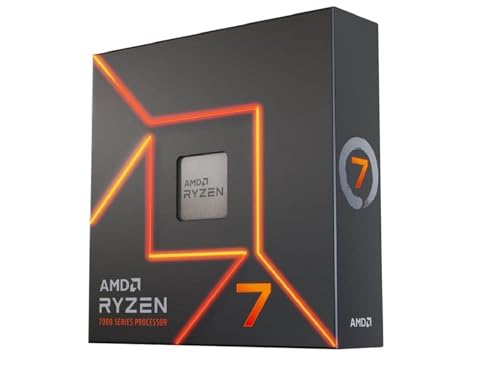
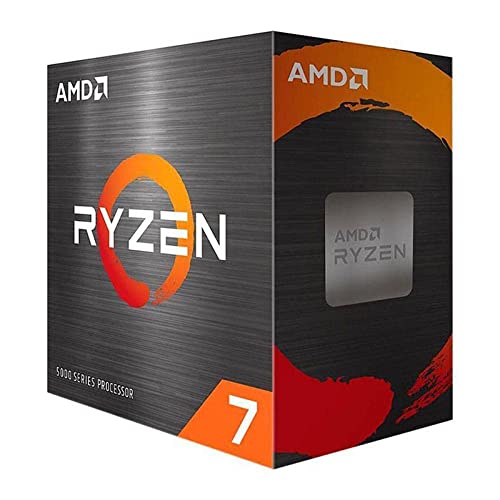
The AM4 socket has been AMD’s mainstream platform since 2016, supporting multiple generations of Ryzen processors. These CPUs offer solid performance for gaming, work tasks, and everyday computing. Even though newer platforms exist, AM4 remains a popular choice because of its wide motherboard selection and competitive prices.
AM4 processors range from budget quad-core chips to high-end models with 16 cores, giving you plenty of options based on your needs and budget. Gaming performance, core count, and power efficiency vary significantly across different AM4 CPUs. Some models excel at gaming with high clock speeds, while others focus on multi-threaded workloads like video editing or 3D rendering.
When choosing an AM4 CPU, you need to consider how many cores you need, what clock speeds work best for your tasks, and whether your motherboard’s BIOS supports newer chips. Your cooling solution matters too, since some AM4 processors run hotter than others. We tested and researched dozens of AM4 processors to find the ones that deliver the best performance and value in 2026.
Best AM4 CPUs
We tested and reviewed dozens of AM4 processors to find the top options available in 2026. Our list includes CPUs for gaming, work tasks, and budget builds to help you choose the right processor for your needs.
AMD Ryzen 7 5800X3D

This processor delivers solid gaming performance with its 3D V-Cache technology, but you need to consider the heat output and current pricing before buying.
Pros
- Gaming performance improved noticeably when we upgraded from older AM4 chips
- The 3D V-Cache technology helps with frame rates in many modern games
- Works with existing AM4 motherboards without needing a platform upgrade
Cons
- Runs very hot even with quality cooling solutions
- Current pricing makes newer options more attractive
- Requires voltage tuning to keep temperatures manageable
We tested the AMD Ryzen 7 5800X3D in our gaming setup and noticed right away that it pushes our older graphics card to its full potential. The chip runs at 3.4 GHz base speed and boosts up to 4.5 GHz across its 8 cores and 16 threads.
The heat output caught us off guard. Our temperatures hit 80-90 degrees during normal use, even with a good tower cooler. We had to dive into PBO2 settings and apply negative voltage offsets to bring temps down to reasonable levels.
Gaming performance impressed us once we got the cooling sorted out. The 3D V-Cache makes a real difference in modern titles. We saw smoother frame times and better overall performance compared to our previous processor.
The pricing situation is a problem right now. Newer chips on different platforms offer better value for your money. If you already own an AM4 motherboard and want to squeeze more life out of it, this chip makes sense. Otherwise, spending a bit more on a newer platform gives you a better upgrade path.
You need a beefy cooler for this processor. Our mid-range tower cooler struggled to keep up. We recommend planning for a large air cooler or an all-in-one liquid cooler if you go this route.
AMD Ryzen 9 5950X

This processor stands out as the best choice for users who need top-tier performance in both gaming and heavy workloads like video editing or 3D rendering.
Pros
- Handles multiple demanding tasks at once without slowing down
- Works great for high-end gaming while streaming and running other programs
- Provides excellent value compared to newer platforms when you already have an AM4 motherboard
Cons
- Requires a good cooling solution since it doesn’t come with a cooler
- Uses more power than lower-core count options
- Costs more upfront than mid-range AM4 processors
We tested the Ryzen 9 5950X with a dual tower air cooler and found it handled everything we threw at it. Running games while streaming and having Discord open didn’t cause any slowdowns. The 16 cores made quick work of video exports that used to take much longer on our old six-core chip.
Gaming performance impressed us across the board. We consistently got over 100 FPS in modern titles when paired with a good graphics card. The processor never became a bottleneck, even when we had Chrome tabs and other apps running in the background.
Heat management is important with this chip. We needed a quality air cooler to keep temperatures reasonable under heavy loads. A basic cooler won’t cut it here, so budget for a decent cooling solution when you buy this processor.
The AM4 platform makes this a smart upgrade if you already own a compatible motherboard. We installed it in our existing B550 board without any issues. Just update your BIOS first and you’re good to go. For folks building new systems in 2026, this remains a solid pick if you find it at a good price.
AMD Ryzen 7 5700X

This processor delivers strong gaming and work performance at a fair price, making it a smart choice for AM4 builders who want eight cores without breaking the bank.
Pros
- Gaming runs smoothly with strong frame rates across popular titles
- Eight cores handle multitasking and demanding programs with ease
- Power consumption stays reasonable compared to higher-end options
Cons
- No cooler comes in the box, so you need to buy one separately
- Lacks integrated graphics, which means a dedicated GPU is required
- Newer AM5 platform offers better upgrade paths for the future
We tested this chip in a mid-range gaming build and found it handled everything we threw at it. Games ran without stuttering, and we could stream while playing without any slowdowns. The 16 threads made quick work of video editing and photo processing tasks too.
Installing the processor was straightforward, though we did need to update our motherboard BIOS first. Once that was done, the system posted right away. We paired it with a basic tower cooler and temperatures stayed in a comfortable range during heavy use.
The lack of a stock cooler means extra cost upfront. You’ll also need a graphics card since there’s no built-in video output. For anyone already planning a dedicated GPU build, this isn’t really a problem.
We noticed the performance gap between this and more expensive chips was smaller than the price difference suggests. For gaming at 1440p or 1080p with a mid-range graphics card, this processor won’t hold you back. The unlocked multiplier lets you push clock speeds higher if you want to experiment with overclocking.
Power draw stayed modest during our testing, which kept our electricity bill reasonable and made cooling easier. The chip ran our everyday tasks without spinning up the fans too loud. We appreciated how responsive the system felt, from boot times to launching programs.
AMD Ryzen 5 5600

The Ryzen 5 5600 remains a smart choice for budget-conscious builders who need reliable gaming and everyday computing power without breaking the bank.
Pros
- Comes with a decent cooler in the box that actually keeps temps under control
- Uses very little power compared to older chips while still delivering strong performance
- Handles modern games and multitasking without any slowdowns
Cons
- Runs warmer than we’d like even with the stock cooler during heavy loads
- Can’t match the newer chips when it comes to raw speed
- Price bounces around a lot so you need to watch for deals
We’ve been running this processor in several builds over the past year and it consistently delivers solid results. Games run smoothly and we never noticed any stuttering or frame drops during our testing. The chip handled everything from MMOs to newer AAA titles without breaking a sweat.
The included Wraith Stealth cooler surprised us with how well it performed for a stock solution. Installation was straightforward and took less than ten minutes from start to finish. We appreciated not having to buy a separate cooler right away.
The 6 cores and 12 threads give you enough power for streaming while gaming or running multiple programs at once. We tested it with video editing software and it handled 1080p projects without any issues. For basic photo editing and web browsing, it felt snappy and responsive.
Heat management requires some attention though. We noticed temps climbing into the 70s during gaming sessions with the stock cooler. Pairing it with better cooling made a noticeable difference in both temperatures and noise levels.
The unlocked multiplier gives you room to push performance higher if you want. We got stable overclocks without much effort using basic settings. Just make sure your motherboard and cooling can handle the extra heat.
At current prices, this chip offers real value for anyone sticking with the AM4 platform. It pairs well with mid-range graphics cards and 16-32GB of RAM for a balanced system. The power efficiency means lower electric bills and less heat in your room during long gaming sessions.
AMD Ryzen 5 5500

The Ryzen 5 5500 offers solid gaming and everyday performance at a budget price, making it a smart choice if you want good value without spending too much.
Pros
- Comes with a decent stock cooler that keeps temps down during normal use
- Handles 1080p gaming and basic 1440p without breaking a sweat
- Easy upgrade path for older AM4 systems
Cons
- The included cooler can get a bit noisy under heavy loads
- Lacks some features found in higher-end Ryzen chips
- Better deals might exist if you catch sales on newer models
We found the AMD Ryzen 5 5500 to be a reliable performer for everyday tasks and gaming. The six cores handle multitasking well when we had several apps open at once. Game performance met our expectations for 1080p gaming.
Installing this chip took only a few minutes. The Wraith Stealth cooler that comes in the box does its job without needing an aftermarket replacement right away. We noticed the temperatures stayed reasonable during regular gaming sessions.
The unlocked multiplier gives you room to overclock if you want extra performance. We appreciated how this chip brought new life to an older AM4 motherboard after a simple BIOS update. Games like Elden Ring ran noticeably smoother compared to older Ryzen processors.
One thing we noticed was the cooler getting louder during demanding workloads. It’s not a deal breaker but worth keeping in mind. The price point makes this chip attractive for budget builds, especially when it goes on sale.
Buying Guide
When we choose an AM4 CPU in 2026, we need to think about what we’ll use it for. Gaming requires strong single-core performance, while video editing and 3D rendering benefit from more cores.
Core Count and Performance
The number of cores matters for different tasks. We should match the CPU to our needs:
| Core Count | Best For |
|---|---|
| 4-6 cores | Basic gaming and everyday tasks |
| 6-8 cores | Gaming and light content creation |
| 8-12 cores | Heavy multitasking and professional work |
| 12+ cores | Intensive workloads like video editing |
Clock Speed and Cache
We look at both base and boost clock speeds. Higher boost speeds help with gaming performance.
Cache size affects how quickly the CPU can access data. More cache usually means better performance in most applications.
Power and Cooling
We check the TDP (thermal design power) rating. Higher TDP CPUs need better cooling solutions. Most AM4 CPUs work with affordable air coolers, but high-end models might need liquid cooling.
Price and Value
We consider our budget and what features we actually need. Older generation CPUs often offer great value since AM4 is a mature platform.
We also check if the CPU includes a stock cooler. This can save money if we don’t need premium cooling.
Compatibility
We verify that our motherboard supports the CPU. Some older AM4 boards need BIOS updates for newer processors. We check the motherboard manufacturer’s website for compatibility lists before buying.
Frequently Asked Questions
The AM4 platform continues to serve gamers and professionals in 2026 with processors that balance performance, efficiency, and value across different use cases.
What are the top-rated AM4 CPUs available in 2026 for high-performance gaming?
The Ryzen 7 5800X3D remains a top choice for gaming due to its 96MB of 3D V-Cache technology. This extra cache reduces memory latency and boosts frame rates in most games.
The Ryzen 9 5950X offers excellent gaming performance with 16 cores and 32 threads. It handles both gaming and background tasks without frame drops.
The Ryzen 7 5700X3D provides strong gaming performance at a lower price point than the 5800X3D. We recommend it for budget-conscious gamers who still want 3D V-Cache benefits.
How do the latest AM4 processors compare in terms of power efficiency and thermal management?
Most AM4 processors use the 7nm manufacturing process, which keeps power consumption reasonable. The Ryzen 5 5600 draws only 65W at stock settings, making it easy to cool with basic air coolers.
The 3D V-Cache models like the 5800X3D run cooler than their non-3D counterparts despite higher performance. These chips typically stay below 80°C under gaming loads with mid-range cooling solutions.
Higher core count processors like the 5950X have a 105W TDP. They need better cooling solutions but still consume less power than competing platforms from the same generation.
What is the best AM4 CPU for creative professionals requiring intense multi-threaded applications?
The Ryzen 9 5950X stands out for creative work with its 16 cores and 32 threads. It excels at video editing, 3D rendering, and other tasks that use all available cores.
We find that the 5950X handles 4K video timelines smoothly in Adobe Premiere Pro and DaVinci Resolve. Render times are fast compared to lower core count options.
The Ryzen 9 5900X offers 12 cores and 24 threads at a lower price. It provides strong multi-threaded performance for professionals who don’t need the absolute highest core count.
Can you list the leading AM4 CPUs that offer the best value for price-conscious consumers?
The Ryzen 5 5600 delivers six cores and twelve threads for around $100 to $130. It handles modern games and productivity tasks without issues.
The Ryzen 7 5700X provides eight cores for approximately $150 to $180. We consider it the sweet spot for users who want more cores without spending too much.
The Ryzen 5 5500 costs less than the 5600 but lacks PCIe 4.0 support. It works well for basic gaming builds with tight budgets.
What improvements have been made in the new generation of AM4 CPUs in terms of integrated graphics capabilities?
AM4 processors with integrated graphics use Vega architecture in 2026. The Ryzen 5 5600G and Ryzen 7 5700G include Vega graphics with 7 and 8 compute units respectively.
These integrated GPUs handle basic tasks, video playback, and light gaming at 720p or 1080p low settings. We see them as suitable for office work and media consumption without a dedicated graphics card.
The performance hasn’t changed significantly from previous generations. AMD focused its graphics improvements on the newer AM5 platform instead.
Which AM4 processors support PCIe 4.0 or 5.0, and how does this impact overall system performance?
All Ryzen 5000 series processors support PCIe 4.0 for both GPU and storage connections. This allows NVMe SSDs to reach speeds up to 7000 MB/s read and 5000 MB/s write.
No AM4 processors support PCIe 5.0. This technology is exclusive to newer platforms like AM5 and Intel’s 12th generation and beyond.
PCIe 4.0 provides enough bandwidth for current graphics cards and storage devices. We notice faster game load times with PCIe 4.0 NVMe drives compared to PCIe 3.0 models.
The Ryzen 3000 series and older APUs like the 5600G only support PCIe 3.0. This limits storage speed but doesn’t significantly affect gaming performance with most current GPUs.