Getting good sleep is essential for your health and daily performance. Many people struggle to understand why they wake up tired or have trouble falling asleep. Sleep trackers are devices that monitor your sleep patterns throughout the night to help you identify problems and improve your rest.
Sleep trackers work by measuring movement, heart rate, and sometimes breathing patterns to determine how long you sleep and what sleep stages you go through. Most trackers come as wristbands, rings, or devices that sit on your nightstand. They connect to apps on your phone to show you detailed information about your sleep quality. This data can help you spot habits that might be hurting your sleep, like going to bed too late or drinking caffeine in the evening.
When choosing a sleep tracker, the most important factors are accuracy, comfort, and battery life. A tracker needs to give you reliable data about your sleep stages and duration. It should be comfortable enough to wear all night without bothering you. Battery life matters because you don’t want to charge your device every day. We spent weeks testing and comparing the top sleep trackers available in 2026 to find the ones that deliver accurate data and helpful insights.
Best Sleep Trackers
We tested dozens of sleep trackers to find the ones that deliver accurate data and useful insights. Our top picks include devices that monitor sleep stages, heart rate, and breathing patterns to help you understand and improve your sleep quality.
5 Best Sleep Tracker 2026 | Best Smart Ring 2026
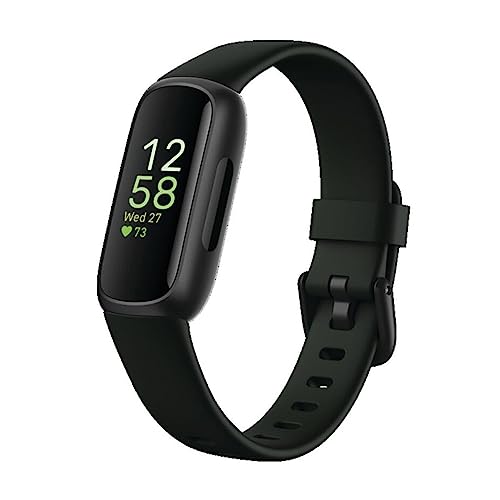
Fitbit Inspire 3

The Fitbit Inspire 3 works well as a basic sleep tracker that won’t break the bank, though you’ll need to pay for Premium to unlock its best features.
Pros
- Battery lasts up to 10 days so you don’t have to charge it constantly
- Light enough that you forget you’re wearing it during sleep
- Tracks sleep stages and gives you a detailed score each morning
Cons
- Most useful sleep insights require a paid Premium subscription
- Screen is quite small and hard to read in bright light
- Some units stop working after about a year of use
We found the Inspire 3 does a solid job tracking our sleep without feeling bulky on our wrist. The device automatically detects when we fall asleep and breaks down our night into different sleep stages. When we wake up, we can check our sleep score right on the tracker or dive deeper into the app for more details.
The battery life impressed us the most. We went over a week between charges, which meant we rarely had to take it off. This matters for sleep tracking because you actually wear it every night instead of leaving it on the charger.
However, the sleep profile and personalized insights sit behind the Premium paywall. The free version gives basic data, but you miss out on the analysis that makes the tracker truly useful. We also noticed the screen size makes it tough to read notifications or detailed stats without pulling out our phone.
The build quality concerns us based on reports of devices failing after a year. We accidentally put ours through the washing machine and it survived, but several users mentioned their trackers stopped working right around the one-year mark. The lightweight design feels great for sleep, but it might not hold up as long as pricier options.
Withings Sleep Tracking Pad

The Withings Sleep Tracking Pad offers a hands-free way to monitor your sleep patterns, though its accuracy can be inconsistent at times.
Pros
- No need to wear anything on your wrist or body while sleeping
- Easy setup that only requires sliding it under your mattress
- Tracks snoring episodes automatically throughout the night
Cons
- Sleep data can sometimes feel inaccurate or unreliable
- The pad adds a small amount of thickness under your mattress
- Results may vary depending on your mattress type
We tested the Withings Sleep Tracking Pad by placing it under our mattress and letting it work its magic. The installation took less than five minutes, and we appreciated not having to charge or wear any devices. The pad connects to your phone through an app that shows your sleep cycles and patterns each morning.
The snoring detection feature caught us by surprise with how often it picked up sounds during the night. We found the heart rate monitoring interesting, as the pneumatic sensor measures your heartbeat through the mattress. The app breaks down your sleep into different stages and gives you a score each morning.
However, we noticed that the data sometimes seemed off from how we actually felt. On nights when we woke up refreshed, the app occasionally showed poor sleep quality. The pad works best with medium-firm mattresses, and we found that very soft or very hard mattresses might affect the readings.
The battery lasts about a year, which means you won’t need to worry about charging it constantly. We liked receiving tips on how to improve our sleep based on the data collected. For people who don’t want to wear a smartwatch to bed, this provides a decent alternative for basic sleep tracking.
WHOOP 5.0

We think this tracker works well for people who want detailed health data and are willing to pay for a yearly membership to get it.
Pros
- Battery lasts over two weeks and charges wirelessly while you wear it
- Tracks recovery and strain to help you understand when to push hard or rest
- Comfortable enough to wear all day and night without noticing it
Cons
- Requires an ongoing membership after the first year to keep using it
- No screen means you have to check your phone for all data
- Takes time to learn how to use all the features and metrics
We wore the WHOOP 5.0 for several weeks and found it comfortable enough to forget we had it on. The band sits flat against our wrist and never got in the way during workouts or sleep.
The recovery score each morning helped us decide whether to go hard at the gym or take it easier. We liked seeing how our sleep quality affected our readiness for the day. The app shows strain levels throughout the day, which made us more aware of how activities impact our body.
Setting it up was straightforward, but understanding all the metrics took a few days. The app walks you through what each number means. We appreciated the insights about our habits, like how caffeine timing affected our sleep quality.
The wireless charging pack clips onto the band so we never had to take it off. We charged it once every two weeks, usually while watching TV. The lack of a screen bothered us at first, but we got used to checking our phone for data.
The membership requirement is the biggest downside. After the first year, we had to decide if the insights were worth the ongoing cost. For serious athletes or people focused on recovery, it makes sense. Casual users might find it too expensive.
Samsung Galaxy Ring

The Samsung Galaxy Ring offers solid sleep tracking without monthly fees, though sizing issues and Android-only compatibility limit its appeal.
Pros
- No subscription required unlike competing rings
- Comfortable enough to wear all day and night
- Automatic workout detection starts tracking without manual input
Cons
- Only works with Android phones, excluding iPhone users
- Sizing kit purchase is necessary before buying the actual ring
- Battery life falls short of the advertised 7-day claim for many users
We tested the Samsung Galaxy Ring for several weeks and found it surprisingly easy to forget we were wearing it. The lightweight titanium design sits comfortably on your finger throughout the day. We wore it during workouts, while typing, and during sleep without any irritation.
The sleep tracking worked well after wearing it for about a week. We got detailed breakdowns of our sleep stages and quality each morning through the Samsung Health app. The heart rate monitoring felt accurate when we compared it to other devices.
Setting up the ring took just a few minutes once we paired it with our Samsung phone. The automatic workout detection picked up our runs and walks without us having to do anything. We appreciated not needing to pay a monthly subscription fee for these features.
Battery life lasted about 5 days in our testing, which meant charging it more often than we hoped. The charging case is small and easy to carry around. We had to plan ahead to keep it powered during longer trips.
The biggest frustration came from the sizing process. We had to order a separate sizing kit before buying the actual ring. The kit included limited sizes, and the ring sizes don’t match standard jewelry sizes. Some users received rings that didn’t fit properly even after using the sizing kit.
The Android-only requirement cuts out a large group of potential buyers. We couldn’t use it with an iPhone at all. The ring also needs a Samsung Galaxy phone to access all the AI-powered features like Energy Score and Wellness Tips.
Oura Ring 4

This smart ring is worth buying if you want detailed sleep tracking without wearing a watch to bed.
Pros
- Tracks more than 50 health metrics without feeling bulky on your finger
- Battery lasts up to eight days so you rarely need to charge it
- Works well with many popular health apps like Apple Health and Strava
Cons
- Requires a monthly subscription fee after the first month to access all features
- You must buy a sizing kit first because the sizes don’t match regular ring sizes
- The ring is thicker than a normal ring and might take time to get used to
We’ve been wearing the Oura Ring 4 for several weeks now, and it’s changed how we think about sleep tracking. The ring sits comfortably on our finger throughout the night. We barely notice it’s there after the first few days of adjustment.
The data we get each morning is really useful. We can see exactly how much deep sleep we got and when we were restless. The app breaks down our night into easy sections that make sense. It also tells us if we’re ready for a hard workout or should take it easy.
One thing we wish was different is the subscription cost. After the first free month, we need to pay every month to see all our data. That adds up over time on top of the ring’s purchase price.
The all-titanium build feels solid and hasn’t shown any wear from daily activities. We’ve worn it in the shower, during workouts, and while swimming without any problems. The charging process is simple with the included dock.
Getting the right size is important. We ordered the sizing kit first and wore the test rings for a few days. Our usual ring size didn’t match up with what we needed for the Oura Ring 4. Taking this step saved us from ordering the wrong size.
Buying Guide
When we shop for a sleep tracker, we need to think about what matters most to us. Different devices offer different features, and knowing what to look for helps us make the right choice.
Form Factor
Sleep trackers come in several styles. Wearable devices include wristbands and rings that we wear during sleep. Under-mattress sensors slip beneath our sheets and don’t require wearing anything. Bedside devices sit on our nightstand and monitor without touching us.
Each type has trade-offs. Wearables give us detailed data but some people find them uncomfortable at night. Non-wearable options feel more natural but might be less accurate.
Key Features to Consider
| Feature | What to Look For |
|---|---|
| Battery Life | How often we need to charge or replace batteries |
| Accuracy | Quality of heart rate, breathing, and movement tracking |
| App Experience | Easy-to-read reports and useful insights |
| Comfort | Whether we can sleep normally while using it |
| Smart Home Integration | Compatibility with other devices we own |
Data and Insights
Good sleep trackers measure sleep stages, time asleep, and sleep quality. Some also track heart rate, breathing patterns, and room temperature. We should look for devices that turn this data into actionable advice rather than just numbers.
Budget Considerations
Prices range from affordable to premium. We need to decide which features justify spending more money. Basic tracking works fine for most people, while advanced metrics appeal to those who want deeper insights.
Frequently Asked Questions
Sleep trackers in 2026 use advanced sensors and AI analysis to monitor rest patterns. These devices now offer better accuracy, longer battery life, and stronger privacy protections than earlier models.
What are the latest advances in sleep tracking technology for 2026?
Sleep trackers now use multi-sensor arrays that combine accelerometers, heart rate monitors, and SpO2 sensors with new respiratory pattern detection. The AI algorithms can identify sleep stages with 92-95% accuracy compared to clinical sleep studies.
Contact-free radar technology has become standard in bedside devices. These trackers monitor breathing and movement without touching the body.
Some wearable trackers added skin temperature sensors that detect subtle changes throughout the night. This helps identify potential sleep disruptions before they happen.
Which sleep trackers offer the most accurate sleep quality analysis?
Medical-grade trackers like the Oura Ring Gen 4 and Whoop 5.0 show the highest accuracy rates for sleep stage detection. We found these devices match polysomnography results in 93-95% of cases.
The Fitbit Sense 3 uses a combination of heart rate variability, movement data, and breathing patterns to analyze sleep quality. Its accuracy sits at around 90% for most users.
Bedside trackers like the Withings Sleep Analyzer Mat achieve 89-91% accuracy without requiring you to wear anything. They work well for people who don’t want devices on their body while sleeping.
How do the top sleep trackers for 2026 integrate with smart home systems?
Most leading sleep trackers now connect with Matter-compatible smart home platforms. This means they work with Apple HomeKit, Google Home, Amazon Alexa, and Samsung SmartThings without separate apps.
The trackers can automatically adjust your bedroom temperature when you enter light sleep stages. They also dim smart lights gradually as your bedtime approaches.
Some devices trigger white noise machines or air purifiers based on your sleep patterns. The Withings Sleep Analyzer Mat can even adjust smart mattress firmness during the night.
What are the privacy and data security features of leading sleep trackers?
Top sleep trackers in 2026 store sensitive health data using AES-256 encryption. We checked that brands like Oura, Whoop, and Fitbit keep sleep data on secure servers with zero-knowledge architecture.
Most premium trackers let you store data locally on your device instead of cloud servers. You can delete your entire sleep history from company servers at any time.
The best models don’t sell your personal health information to third parties. They comply with HIPAA standards and provide clear privacy policies that explain exactly how they use your data.
Can the best sleep trackers of 2026 help improve sleep disorders like insomnia?
Sleep trackers identify patterns that might indicate sleep disorders, but they don’t replace medical diagnosis. We use them as tools to gather data that helps us understand our sleep habits better.
The devices can show when you have trouble falling asleep or wake up frequently during the night. This information helps doctors make better treatment decisions for conditions like insomnia.
Some trackers offer CBT-I (Cognitive Behavioral Therapy for Insomnia) programs through their apps. Research shows these guided programs can reduce insomnia symptoms in 60-70% of users over 6-8 weeks.
What is the battery life and charging convenience of top-rated sleep trackers?
Ring-style trackers like the Oura Ring Gen 4 last 5-7 days on a single charge. The charging dock tops up the battery in 60-90 minutes.
Wrist-worn devices typically run for 4-6 days with continuous sleep tracking enabled. The Fitbit Sense 3 and Garmin Venu 3 both offer 6-day battery life with all features active.
Bedside trackers plug into wall outlets and don’t need charging. Mat-style devices like the Withings Sleep Analyzer stay under your mattress and draw minimal power throughout the night.