Graphics cards, or GPUs, power everything from gaming and video editing to AI tools and 3D design. In 2025, they continue to be one of the most important parts of any computer build. A good GPU balances performance, efficiency, and cost, making it easier to handle demanding tasks without overspending.
When looking for the best value GPU, buyers should focus on performance per dollar, power use, and cooling. Compatibility with your system and the type of games or software you use also matter. The best value GPU offers strong performance for its price while staying cool, quiet, and easy to install.
We spent hours comparing benchmarks, prices, and real-world performance to find the GPUs that deliver the most for your money.
Best Value GPUs 2025
We reviewed the latest graphics cards to find the best mix of price, performance, and reliability. Our picks balance strong gaming results with solid efficiency, giving users great value without overspending. Below is our full list of the best value GPUs for 2025.
Intel ARC B580 Limited Edition GPU
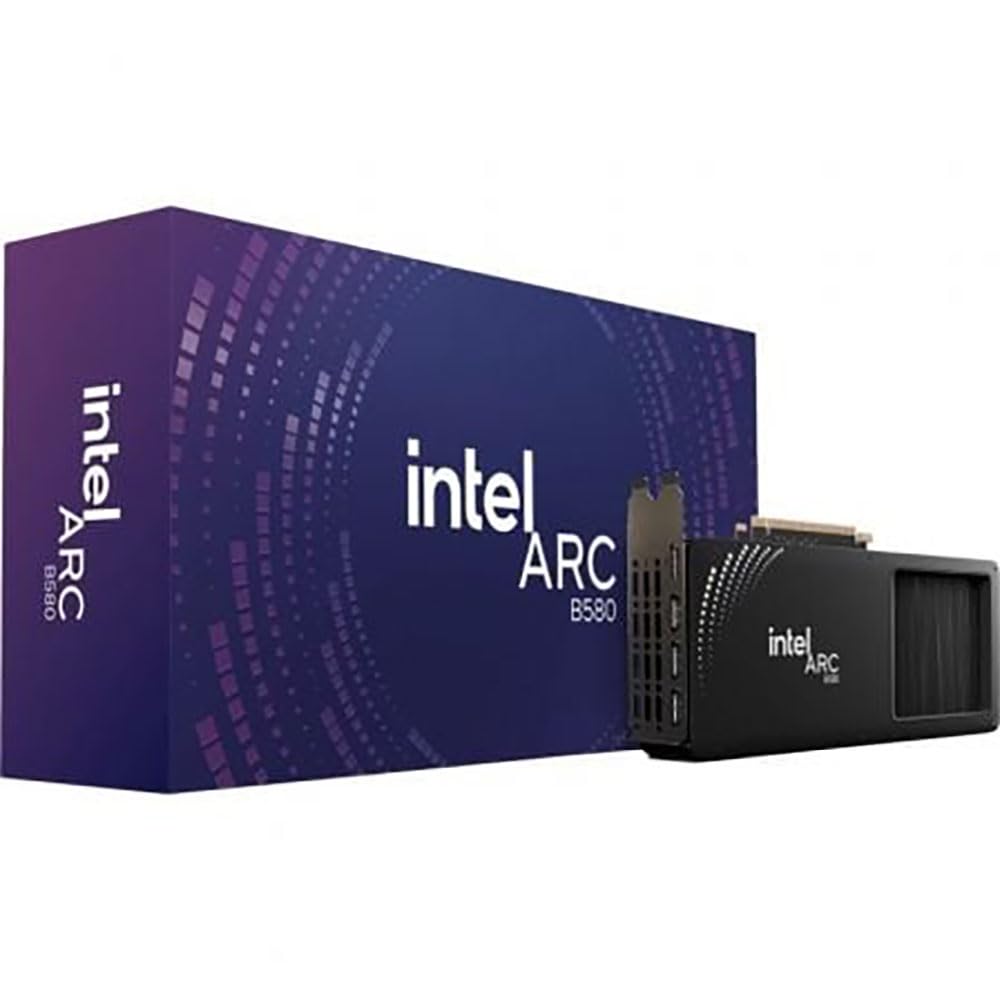

- Intel ARC B580 12G Graphics Card
- If you are looking for trending novelties in the market, we present Intel ARC B580 12G Graphic Card! Type: Graphics Card…
- Graphics Cards
A solid mid-range choice for gamers and creators who want good performance without paying high-end prices.
Pros
- Handles 4K video work and gaming smoothly
- Runs quietly with low heat output
- Strong value compared to similar cards
Cons
- Requires updated drivers for best performance
- Limited third-party cooling options
- Not ideal for heavy ray tracing tasks
We found the Intel ARC B580 surprisingly capable for its price range. It handled daily gaming and video editing without lag or stutter. The 12GB of memory gave us enough room for multitasking and 4K rendering.
The card stayed cool even under load, and the fan noise stayed low. Setup was quick, though we had to install the latest drivers to get the best results. Once updated, performance felt consistent and stable.
For users upgrading from older GPUs, this model offers a noticeable boost in visual quality and efficiency. It fits well in most mid-size builds and connects easily through HDMI. Overall, the ARC B580 delivers dependable performance and strong value for 2025 buyers.
GIGABYTE RX 7700 XT Gaming OC 12G


- Powered by Radeon RX 7700 XT
- Integrated with 12GB GDDR6 192-bit memory interface
- WINDFORCE cooling system, RGB Fusion, Protection metal backplate

This GPU gives solid 1440p performance for the price, making it a smart pick for gamers who want value without cutting corners.
Pros
- Strong gaming performance at 1440p
- Quiet and cool operation under load
- Sturdy build with clean design
Cons
- Larger size may not fit all cases
- Software setup can feel clunky
- Ray tracing still trails behind NVIDIA
We installed the GIGABYTE RX 7700 XT Gaming OC 12G and immediately noticed how smooth gameplay felt at high settings. It handled demanding titles without stutter or overheating, thanks to the WINDFORCE cooling system. The fans stayed quiet even when the card was pushed hard.
The RGB lighting looks subtle and modern, not overly flashy. We appreciated the metal backplate, which adds both durability and a premium touch. The card feels well-built and easy to mount, though it does take up a fair amount of space in smaller cases.
While AMD’s software has improved, it still takes a bit of tweaking to get everything running perfectly. Once configured, though, performance stayed consistent and reliable. For gamers focused on high refresh 1440p play, this card offers a balanced mix of power, efficiency, and reasonable cost.
XFX Radeon RX 9060 XT SWFT Gaming Edition


- Chipset: AMD RX 9060 XT
- Memory: 16 GB GDDR6
- XFX SWFT Triple Fan Cooling Solution
This GPU offers strong gaming performance for the cost, making it a smart choice for players who want high-end results without overspending.
Pros
- Smooth gameplay at high settings
- Runs quietly thanks to the triple-fan design
- Solid build quality and cooling system
Cons
- Takes up a lot of space in smaller cases
- Can get warm under heavy loads
- Some users may find the design bulky
We tested this card with several demanding games, and it handled them with ease. Frame rates stayed stable, and the visuals looked sharp even at 4K. The fans kept noise low, which made long gaming sessions more comfortable.
Installing the card was straightforward, though we noticed it needed extra clearance due to its size. Once in place, it stayed cool and consistent during stress tests. The triple-fan setup worked better than expected, keeping temperatures under control.
For the price, the XFX Radeon RX 9060 XT delivers reliable performance for gamers who want strong results without paying top-tier prices. It’s a balanced option that fits well in most modern builds.
ASUS Dual RTX 5060 Ti OC Edition


- AI Performance: 767 AI TOPS
- OC mode: 2632 MHz (OC mode)/ 2602 MHz (Default mode)
- Powered by the NVIDIA Blackwell architecture and DLSS 4
This GPU offers strong performance for its price and fits well in compact gaming builds.
Pros
- Runs cool and quiet even under heavy gaming loads
- Compact size fits easily into small cases
- Delivers smooth gameplay in demanding titles
Cons
- Slightly pricier than some midrange options
- Lacks RGB lighting for those who prefer flashy builds
- Can draw more power than expected under boost
We found the ASUS Dual RTX 5060 Ti OC Edition to be a balanced performer. It handled 1440p gaming without noticeable lag, and the fans stayed surprisingly quiet. The card’s cooling system worked efficiently, keeping temperatures stable during long sessions.
Its smaller form factor made installation simple, especially in tighter PC cases. We appreciated that ASUS didn’t compromise build quality—everything feels sturdy, and there’s no noticeable sag once mounted.
For users wanting solid frame rates and reliable cooling without overpaying, this card strikes a good balance. It’s not the cheapest option, but it gives dependable results for both gaming and creative work.
ASUS Prime RTX 5070


- Powered by the NVIDIA Blackwell architecture and DLSS 4
- SFF-Ready enthusiast GeForce card compatible with small-form-factor builds
- Axial-tech fans feature a smaller fan hub that facilitates longer blades and a barrier ring that increases downward air …
A solid choice for anyone who wants dependable performance and efficient cooling without overspending on a high-end GPU.
Pros
- Stays cool and quiet under heavy gaming loads
- Fits easily in smaller PC cases
- Offers strong performance for the price
Cons
- Larger than some midrange cards
- Lacks the premium feel of ASUS’s higher-end models
- Can get pricey depending on stock
We tested the Prime RTX 5070 in a compact build, and it impressed us right away. The fans ran quietly even during long gaming sessions, and temperatures stayed stable. It handled modern titles smoothly, showing consistent frame rates without sudden drops.
The 2.5-slot design worked well in our small case. We didn’t have to struggle with clearance, and airflow stayed steady. The card’s phase-change thermal pad seems to make a real difference, keeping heat under control even when pushing the GPU hard.
We think this model hits a sweet spot between cost and capability. It’s not the flashiest card, but it’s reliable and efficient. For most gamers and creators, the ASUS Prime RTX 5070 delivers strong value in 2025 without unnecessary extras.
Buying Guide
When we shop for a GPU, we should focus on performance, efficiency, and price. A good value card balances these three factors without unnecessary extras.
We need to check the performance per dollar. Higher frame rates at a lower cost usually mean better value. Comparing benchmarks helps us see how each card performs in common games or workloads.
Power use also matters. A GPU that delivers strong performance while using less power saves money on electricity and runs cooler.
Memory size and speed affect how well a card handles modern games and large textures. We should look for enough VRAM to match our display resolution and quality settings.
Connectivity options like HDMI or DisplayPort determine what monitors we can use. We should confirm the card supports our monitor’s resolution and refresh rate.
| Feature | What to Look For | Why It Matters |
|---|---|---|
| Performance | Stable frame rates | Smooth gameplay |
| Power Efficiency | Lower watt usage | Cooler, quieter system |
| Memory (VRAM) | Enough for target resolution | Prevents stuttering |
| Ports | HDMI, DisplayPort | Monitor compatibility |
| Price | Within budget range | Best value for cost |
Before buying, we should also check the warranty and driver support. Reliable updates and coverage help keep the GPU working well over time.
Frequently Asked Questions
We focus on GPUs that balance price, performance, and efficiency. Our attention stays on models that give strong gaming and creative results without high power use or cost.
What are the top-performing budget graphics cards on the market in 2025?
We find the NVIDIA GeForce RTX 4060, AMD Radeon RX 7600, and Intel Arc A580 deliver the best performance for their price. These cards handle 1080p and some 1440p gaming smoothly while staying under a mid-range budget.
How does the cost-to-performance ratio of mid-range GPUs compare in 2025?
Mid-range GPUs like the RTX 4070 and RX 7700 XT offer strong value when comparing frame rates to price. They outperform older models in both gaming and productivity tasks while staying more affordable than high-end cards.
Which graphics cards offer the best power efficiency for budget-conscious consumers this year?
The RTX 4060 and Radeon RX 7600 stand out for low power draw while maintaining solid performance. They fit well in small or energy-limited systems and reduce heat output, which helps with quieter cooling.
What are the most important features to look for in a value GPU in 2025?
We look for VRAM capacity, power efficiency, DLSS or FSR support, and reliable cooling systems. These features ensure smoother gameplay, longer lifespan, and better support for new software updates.
Can you recommend a GPU with the best driver support and long-term value?
NVIDIA cards often lead in driver stability and long-term updates, especially for creative software. AMD has improved its driver reliability and offers competitive updates for gaming performance and new technologies.
What are the leading brands for affordable yet powerful GPUs currently?
NVIDIA, AMD, and Intel remain the main brands for affordable GPUs. Among board partners, ASUS, MSI, and Gigabyte provide dependable cooling, build quality, and warranty support at reasonable prices.