Running in Sweden can mean facing rain, wind, cold, and sometimes even snow. Wearable tech helps runners adapt to these changing conditions by tracking performance, monitoring health, and improving safety. Smartwatches, fitness trackers, and running earbuds have become essential tools for staying consistent through every season.
The right wearable tech should handle moisture, temperature shifts, and long hours outdoors. Battery life, comfort, and accurate tracking are key factors to compare. Choosing devices built for weather resistance and reliable performance can make training safer and more effective year-round.
We spent hours researching and testing top-rated wearables to find the ones that perform best in Swedish weather.
Top Wearable Tech for Running in Swedish Weather
We tested and compared the most reliable wearable tech for runners facing Sweden’s changing weather. Below is our list of the best devices that help track performance, stay comfortable, and handle rain, wind, and cold.
Polar Ignite 2
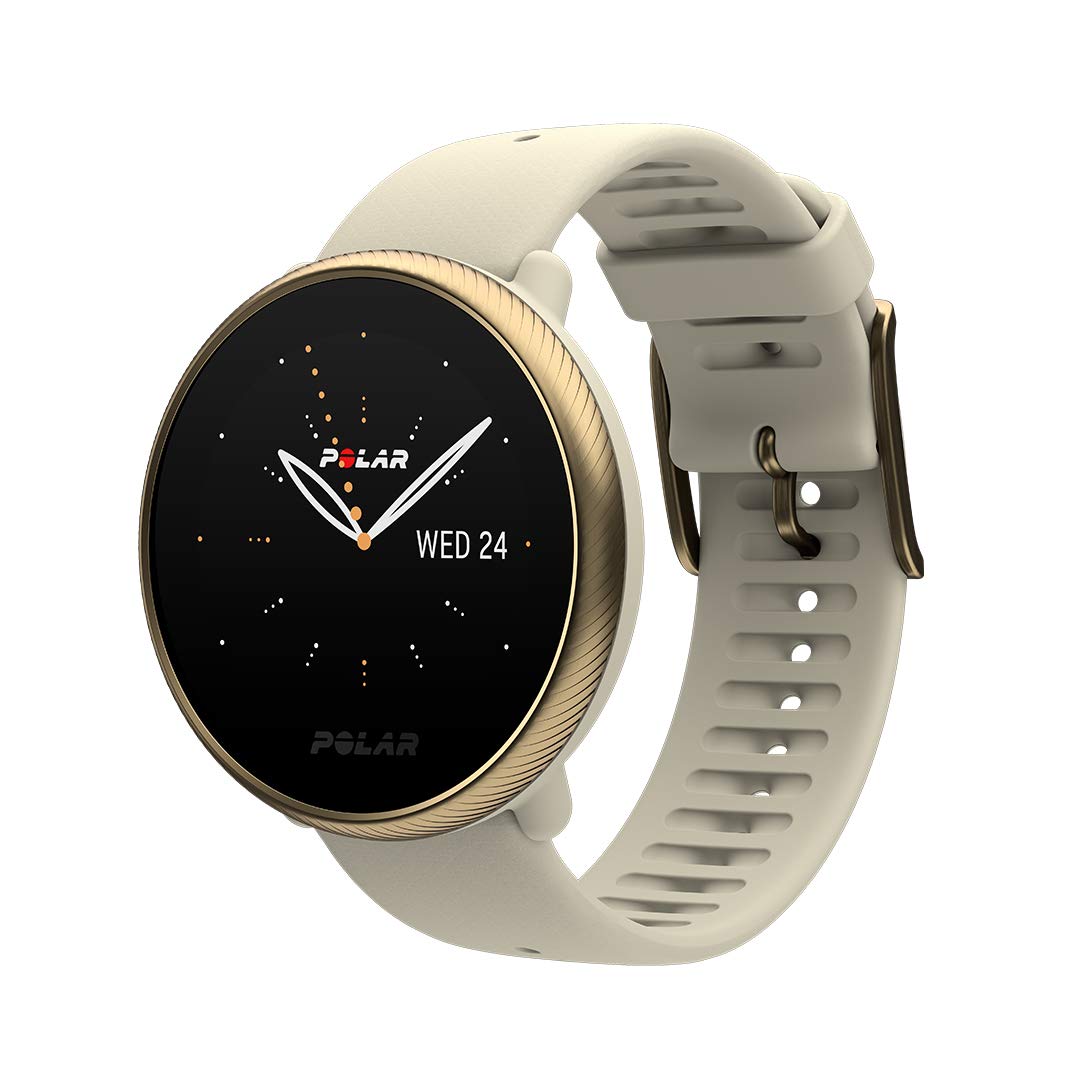
We recommend this watch for runners who want reliable tracking and simple daily use in Sweden’s changing weather.
Pros
- Comfortable and light on the wrist
- Accurate heart rate and GPS tracking
- Customizable look and clear display
Cons
- Touchscreen can lag in cold weather
- Bluetooth connection sometimes drops
- Limited smart features compared to newer models
We’ve used the Polar Ignite 2 on both chilly morning runs and damp city jogs, and it performs well. The wristband feels soft yet secure, which helps when wearing gloves. The built-in GPS locks on quickly, even under cloudy skies.
The watch gives clear heart rate data and recovery insights that help us plan rest days. Its sleep tracking feels useful without being complicated. We also liked being able to control music and view weather updates right from the wrist.
However, the screen sometimes hesitates when wet or cold, which can be annoying mid-run. Bluetooth syncing with the phone occasionally disconnects. Despite that, the battery lasts long enough for several workouts before charging. For runners who value balance between comfort and function, this watch fits well into everyday training.
OnePlus Watch 2R

We recommend this smartwatch for runners who want reliable performance, long battery life, and accurate tracking in Sweden’s changing weather.
Pros
- Comfortable and lightweight for long runs
- Accurate GPS and fitness tracking
- Excellent battery life for multi-day use
Cons
- Limited app selection on Wear OS
- Display can feel dim in direct sunlight
- Strap design may not suit all wrist sizes
We wore the OnePlus Watch 2R on several morning runs through Stockholm’s chilly drizzle and found it handled moisture and temperature shifts well. The watch felt solid yet light, and the soft strap didn’t rub even after an hour of running.
The AMOLED screen looked sharp when checking pace or heart rate, though we noticed a bit of glare under bright sunlight. GPS locked on quickly, and route tracking stayed consistent even under tree cover.
Battery life impressed us most. After three days of mixed running and daily use, it still had plenty of charge left. For runners who value endurance and simplicity, the OnePlus Watch 2R offers a dependable balance of features and comfort.
Samsung Galaxy Watch3

We recommend this smartwatch for runners who want a balance of style, comfort, and reliable tracking in Sweden’s changing weather.
Pros
- Comfortable leather strap that feels good even in cold air
- Accurate heart rate and step tracking during runs
- Easy to answer calls and messages without using a phone
Cons
- Battery life could be longer for multi-day use
- Interface takes time to get used to
- Limited third-party app support
When we tested the Galaxy Watch3 on a chilly morning run, the stainless steel case stayed comfortable against the skin, and the display was bright enough to read under cloudy skies. The leather strap didn’t stiffen in the cold, which made it pleasant to wear for longer sessions.
We liked how simple it was to check heart rate and pace mid-run without stopping. The watch synced smoothly with our phone, and replying to messages from the wrist saved time when gloves were off. Samsung Pay worked well for grabbing a quick coffee after training.
However, we noticed the battery needed charging after about two days of use, especially when GPS tracking was active. The Tizen interface felt different from other systems, but after a few days, we adjusted. For runners in Sweden who want a smartwatch that looks refined yet performs well in cool, damp weather, the Galaxy Watch3 is a solid choice.
OnePlus Watch 2R
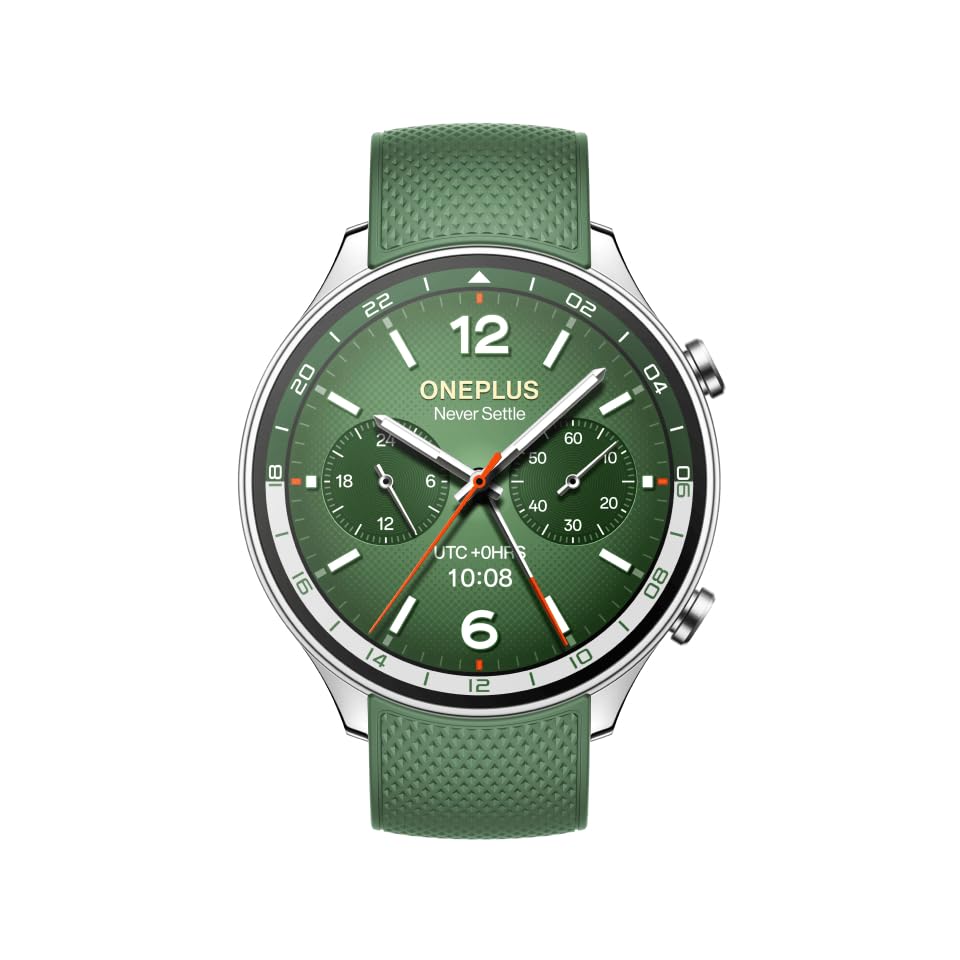
We recommend this smartwatch for runners who want reliable tracking, strong battery life, and a comfortable fit for Sweden’s changing weather.
Pros
- Feels light and comfortable during long runs
- Battery lasts several days even with GPS on
- Works smoothly with OnePlus phones
Cons
- Notification sounds can be inconsistent
- Price feels a bit high for casual users
- Limited third-party app support
We tested the OnePlus Watch 2R on damp autumn mornings and appreciated how the strap stayed comfortable even when wet. The display stayed bright and easy to read, even under gray skies. It never felt bulky, which made it easy to forget we were wearing it.
The GPS tracked our route accurately through forest trails and city streets. Syncing with our OnePlus phone took only a few seconds, and the Wear OS interface made navigation simple. The heart rate and sleep tracking felt consistent with other premium watches we’ve tried.
Battery life stood out most. After several days of mixed use, we still had plenty of charge left. Charging was quick, which helped when we forgot to plug it in overnight. For runners who value endurance and comfort, this watch delivers a balanced experience without unnecessary extras.
Alpinestars Ride Tech Winter Top

This top is a solid pick for runners who train through cold, damp Swedish winters and want warmth without feeling weighed down.
Pros
- Keeps body heat steady while wicking away moisture
- Feels soft and snug without chafing
- Compression fit supports muscles during long runs
Cons
- Runs small, so sizing up helps
- Costs more than basic thermal layers
- Limited color options
We tested this top on early morning runs when the air felt sharp and damp. The dual-layer fabric kept us warm but never clammy, even after several kilometers. It fits close to the skin, which helps it move sweat away quickly.
The seamless design made a big difference in comfort. We didn’t notice any rubbing at the shoulders or underarms, even under a running jacket. The compression fit gave a steady, supported feel that helped reduce fatigue on longer routes.
While the price is higher than average, the performance justifies it if you run in cold conditions often. If you pair it with thermal leggings, it becomes a dependable base layer for winter training.
Buying Guide
When we choose wearable tech for running in Swedish weather, we focus on comfort, durability, and accuracy. The right device should handle cold, rain, and wind without losing performance.
We look for water resistance, battery life, and fit. A snug fit keeps sensors accurate and prevents slipping during runs. Long battery life is useful for longer training sessions or colder days when batteries drain faster.
Key Features to Compare
| Feature | Why It Matters | What to Look For |
|---|---|---|
| Water Resistance | Protects against rain and sweat | Minimum IP67 rating |
| Battery Life | Ensures longer use in cold weather | At least 10 hours in GPS mode |
| Display Visibility | Helps in low light or cloudy conditions | Bright, adjustable screen |
| Heart Rate Accuracy | Tracks effort and recovery | Optical or chest strap support |
| Comfort & Fit | Prevents irritation or slipping | Lightweight and adjustable band |
We also consider connectivity. Reliable GPS and Bluetooth help track routes and sync data easily.
Another factor is ease of use. Buttons or touchscreens should respond well even with gloves. Simple menus save time during runs.
Finally, we check compatibility with our phones or apps. Seamless syncing helps us review progress and adjust training plans.
Frequently Asked Questions
We focus on reliable wearables that handle Sweden’s wet, cold, and dark conditions. Our answers highlight devices built for durability, long battery life, accurate tracking, and comfort during year-round runs.
What are the best water-resistant wearables for runners in Sweden?
We find that Garmin Forerunner 965, Polar Vantage V3, and Apple Watch Ultra 2 perform well in heavy rain and snow. These models have water resistance ratings of at least 5 ATM, making them suitable for long outdoor runs in unpredictable weather.
Which running wearables offer the best battery life in cold climates?
Cold weather drains batteries faster, but Coros Vertix 2 and Garmin Enduro 2 maintain strong performance. They can last several days on a single charge even in freezing conditions, which helps us avoid frequent recharging during long-distance training.
How do GPS watches perform in areas with dense Swedish forests?
Dense forests can disrupt GPS signals, but multi-band GNSS systems in watches like the Garmin Fenix 7 Pro and Suunto Vertical reduce signal loss. We notice more consistent route tracking and fewer dropouts when running through wooded trails.
What are the top smart fabrics for maintaining body temperature while running in Sweden?
We prefer smart fabrics that balance insulation and breathability. Merino wool blends and synthetic moisture-wicking materials like Polartec Power Dry help regulate body heat and keep us dry in both cold and damp conditions.
Which wearables have the best visibility features for running in low-light conditions?
For dark mornings and evenings, we use devices with LED safety lights and reflective straps. The Polar Ignite 3 and Garmin Forerunner 265 offer bright, adjustable displays and built-in illumination that improve visibility without extra gear.
What fitness trackers provide the most accurate biometric data for runners in varying Swedish weather?
We rely on trackers with advanced optical sensors and temperature compensation. The Whoop 4.0 and Garmin HRM-Pro Plus deliver consistent heart rate and recovery data, even when our skin temperature changes in cold or humid conditions.